
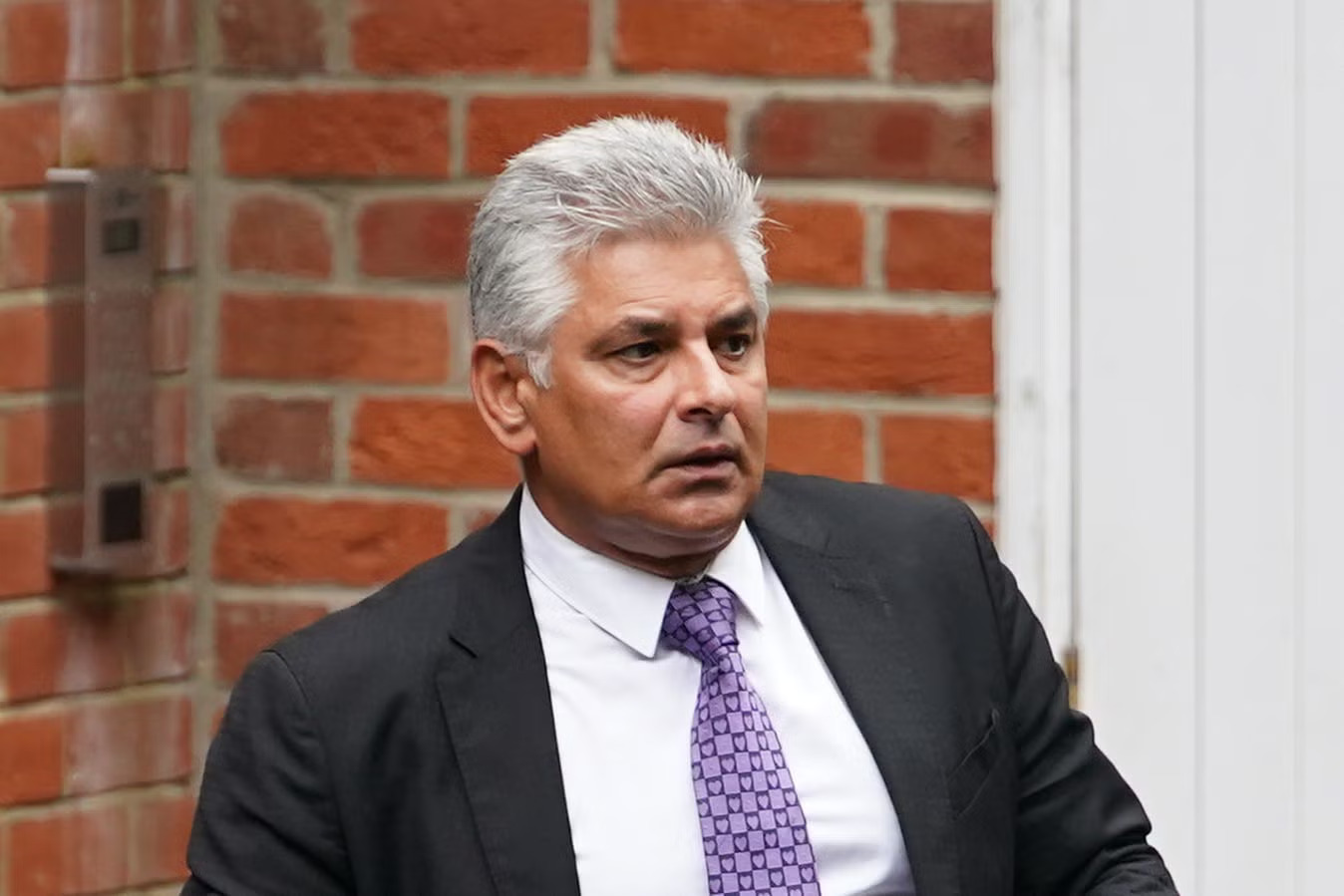
the name faramarz shemirani has emerged across multiple news sources and public records — but not in the straightforward way most bios or profiles do. Instead, the term currently points not to a widely celebrated public figure with a detailed biography on sites like Wikipedia, but rather to a man at the heart of a high-profile UK inquest and media controversy that has drawn attention from BBC News and other major outlets.
Right now, faramarz shemirani mainly represents a father involved in a tragic legal and medical story that has resonated with readers concerned about health misinformation, medical ethics, and family conflict. In this article, I’ll unpack what’s known about him, what happened in the case linked to his name, and why this story continues to surface online — in a tone that feels human and investigative, not clinical.
Who Is Faramarz Shemirani? A Brief Look
The name “faramarz shemirani” appears primarily linked to news about an inquest into the death of his daughter, Paloma Shemirani, a 23-year-old Cambridge graduate who died in 2024 after declining conventional cancer treatment.
The case has been reported by multiple British news outlets, including the BBC and the Express & Star, and it centers on debate over medical decision-making inside families. The press refers to him as Dr. Faramarz Shemirani, but it’s important to note that he is not a clinician; rather, he holds a PhD in computational fluid dynamics and has been described as sympathetic to his ex-wife’s controversial views on health and treatment.
If you’re considering this topic from the standpoint of public interest journalism or research into health narratives online, here’s what you should know…
The Tragedy That Put the Name in the News
According to reporting, in late 2023 Paloma was diagnosed with non-Hodgkin lymphoma, a form of cancer for which chemotherapy is a standard and often successful treatment. Instead of pursuing that route, she rejected chemotherapy and — influenced by advice from her mother and supported by her father — embarked on alternative treatments, including repeated coffee enemas and juice regimens.
Eventually, Paloma collapsed in July 2024 and died five days later in an NHS hospital. A pathologist noted that she had a tumour large enough to be visible externally, underscoring the consequences of refusing conventional care.
At the resulting inquest in Kent, both her parents were involved in the proceedings. The coroner warned Dr. Shemirani about his behaviour during the hearings, indicating high emotions and tension.
This episode has made faramarz shemirani a figure of public debate — not for a career or body of work, but for his role in a personal tragedy that touches on broader issues: parental influence, medical misinformation, and the limits of individual choice in public health.
The Broader Context: Health Misinformation, Conspiracy, and Media Coverage
The story of faramarz shemirani cannot be separated from the role of his ex-wife, Kay “Kate” Shemirani — a well-known online conspiracy theorist who lost her nursing license for spreading harmful misinformation during the COVID-19 pandemic.
This adds a layer of complexity: public reporting has not only focused on the sad outcome of Paloma’s death, but also on how misinformation spreads online, influences decision-making, and can have real-world consequences. The BBC has even linked the wider discussion to trends in social media algorithms and anti-medicine movements.
In some ways, the fates of individual families have become case studies in how digital misinformation interacts with health behaviour — a theme also explored in reputable sources like The Guardian and NHS guidance on cancer treatment. For factual insight into why chemotherapy is standard for many lymphomas, you can visit sites like the American Cancer Society, which outlines treatment efficacy and survival rates for common cancers. (https://www.cancer.org)
The Human Element: Family, Belief, and Responsibility
What makes the case of faramarz shemirani especially striking is the human tension between parental love and medical advice. On one side, parents naturally want what they believe will help their child. On the other, there are evidence-based treatments backed by science and experts like those described by the National Health Service (NHS). (https://www.nhs.uk)
I remember when I tried to understand a similar case involving treatment disagreements in families; the emotional weight of conflicting advice can be overwhelming, and the pathways to blame or understanding are rarely clear-cut.
This story forces readers to ask uncomfortable questions:
-
How do you balance personal belief with medical evidence?
-
Where should society draw the line between choice and harm?
-
Who bears responsibility when outcomes are tragic?
The Kent Coroner’s Court document itself reveals the seriousness of the inquiry into the family’s decisions.
Faramarz Shemirani in Public Perception
Right now, if you search for faramarz shemirani, you’re unlikely to find a detailed professional biography on academic sites or LinkedIn profiles that shed light on a long-term career or body of published work. Instead, his presence online is dominated by news coverage of this specific case — meaning the keyword intent is largely informational and news-seeking.
People searching this term are often looking for:
-
Details of the inquest and legal outcomes
-
Information about Paloma and her treatment
-
Background on his stance and behaviour during the hearings
In this sense, the SEO context is driven more by news interest and public discourse than by a traditional biography or profile.
What Comes Next?
As discussions continue around online medical misinformation and parental influence on health choices, names like faramarz shemirani become entry points into broader societal debates. Predicting the longevity of this specific attention is tricky: news interest tends to spike around legal proceedings and then fade, unless further developments occur.
One thing seems clear: this story has become part of a larger conversation about how families, communities, and digital platforms interact around health decisions — and that’s unlikely to go away soon.
Real Reflection
Writing this was emotionally sobering. There are no easy answers here, only human stories layered with grief, belief, and the messy intersection of information and love. As I reflect on faramarz shemirani, what I take away is not a tidy narrative or clear villain — but a reminder that every name in the news carries a human life behind it, with complexities that deserve compassion and careful consideration beyond headlines.
Game changer. Not always in the dramatic sense — sometimes in how it makes us think about what we trust, who informs us, and how fragile life can be when facts and beliefs collide.



Leave a Reply