
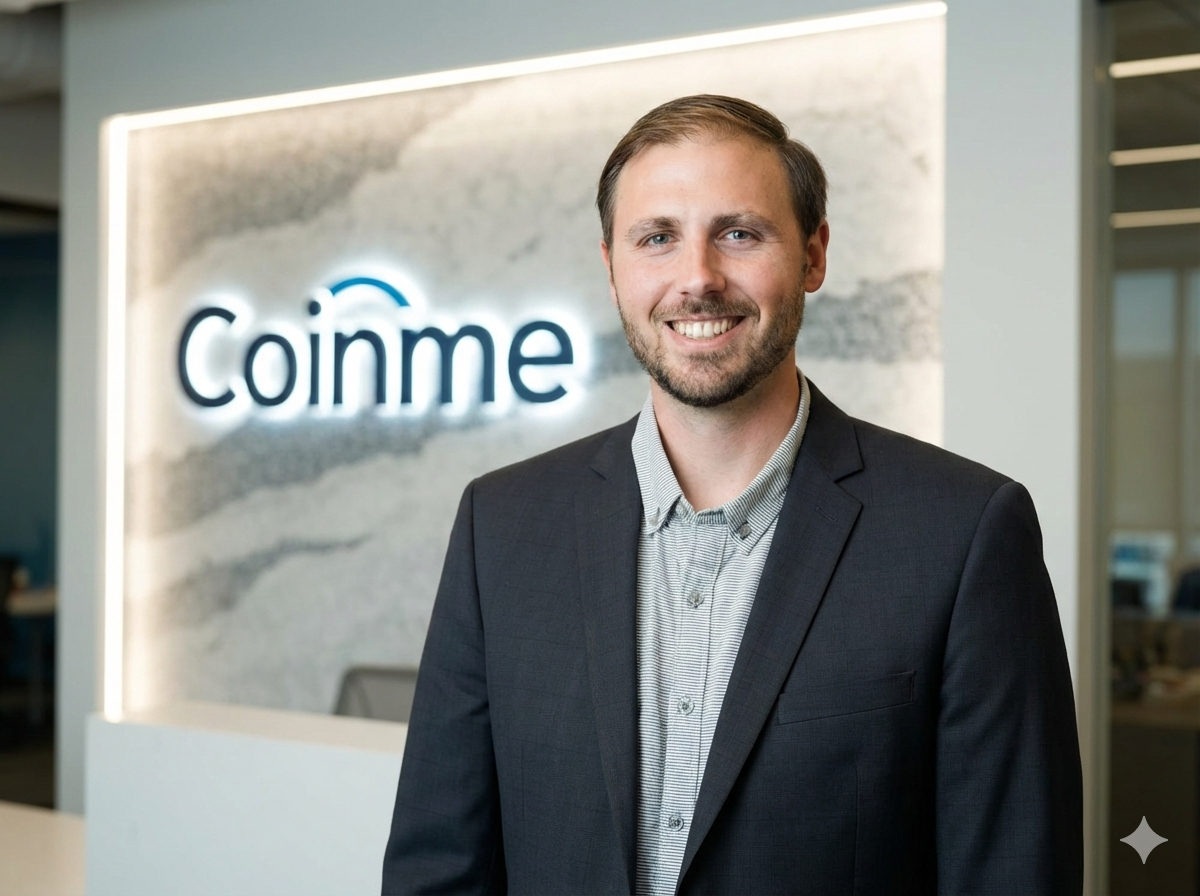
I’ve been thinking about how few people truly reshape entire industries — and yet, every once in a while, someone like Neil Bergquist steps onto the scene and quietly changes the game. I first came across his name while researching the evolution of cryptocurrency accessibility, and honestly… I was intrigued. Not the usual Silicon Valley billionaire headline—but a story of grit, innovation, and real-world impact that echoes across fintech and beyond.
Who Is Neil Bergquist and Why Does He Matter?
Neil Bergquist is best known as the co-founder and CEO of Coinme, the pioneering U.S. cryptocurrency cash exchange that has helped bring digital currency to everyday users. In a landscape where crypto was once the realm of coders and insiders, Bergquist’s work has been about bridging gaps — between cash and crypto, between skepticism and trust, and between financial systems old and new.
Before launching Coinme in 2014, he built a reputation as a leader in startup innovation — including running SURF Incubator, one of the Northwest’s largest tech incubators — and spent time in roles dedicated to helping businesses grow and innovate.
But what does that really mean in practical terms?
A Career Shaped by Payments, Not Hype
Before Coinme, Neil Bergquist worked in traditional payments and financial services. That background shows in how Coinme operates. While many crypto startups leaned heavily into hype cycles, Bergquist focused on compliance, licensing, and partnerships with established institutions.
This mindset helped Coinme survive periods that wiped out flashier startups. During major crypto downturns, Coinme didn’t disappear from the conversation—it quietly expanded. Partnerships with major retailers and integrations with traditional financial systems kept the company relevant even when market sentiment turned sour.
If you’re considering this, here’s what you should know: founders who understand regulation tend to last longer in fintech than those who try to outrun it.
How Did Coinme Start and What Problem Was It Solving?
At its core, Coinme was born from a simple but powerful idea: make cryptocurrency accessible to the masses. Back in 2014, if you wanted bitcoin, choices were limited and often confusing. Bergquist saw this gap and decided it was worth tackling — so he and his team built one of the first licensed bitcoin ATMs in the world.
Think about it like this: you could walk into a retail location, deposit cash — something everyone already understands — and instantly get bitcoin. No wallet downloads. No complex keys. Just access. Game changer.
This approach didn’t just simplify access — it normalized crypto transactions in a way that today’s apps and exchanges often overlook.
What Makes Coinme Different From Other Crypto Platforms?
If you’re considering how Coinme stacks up against the sea of crypto exchanges and services, here’s what stands out:
1. Physical and Digital Presence
Unlike platforms that exist solely online, Coinme’s infrastructure ties into physical retail locations such as Walmart and Coinstar, where users can buy or sell crypto directly — an idea few competitors replicated early on.
2. Regulatory-Friendly Model
Bergquist’s team made compliance central, navigating U.S. state and federal regulations to secure licenses and offer safe, trusted services. In an industry sometimes defined by wild west narratives, this focus on legitimacy is strategic.
3. Partnership-Driven Growth
Through alliances with major brands — from Coinstar to MoneyGram — Coinme expanded the reach of crypto without forcing users to jump through unfamiliar hoops.
This strategy helped Coinme grow to tens of thousands of locations across the U.S. — a footprint rivals find hard to match.
What Does Neil Bergquist Believe About Crypto’s Future?
Bergquist doesn’t just run a company — he talks about the vision behind it. In interviews and public commentary, he often emphasizes financial inclusion as a core mission. He’s argued that digital currencies can serve populations traditionally left out of mainstream banking — the unbanked and underbanked — not just speculators.
He also champions decentralized money like bitcoin and often speaks about the need to make blockchain technology usable (and understandable) for everyday people.
So, instead of asking “Can crypto replace fiat money?” he explores: What does it take for crypto to integrate into everyday life?
What Are Some Milestones and Challenges in His Journey?
Bergquist’s path hasn’t been without hurdles. Scaling a fintech startup that interacts with cash, regulators, and blockchain tech demands constant adaptation. Coinme’s early moves into bitcoin ATMs were groundbreaking, but the company’s later push into API-driven infrastructure — allowing other businesses to embed crypto services — shows an evolution in strategy.
Briefly, there have also been regulatory challenges: in 2023, the U.S. Securities and Exchange Commission (SEC) instituted cease-and-desist proceedings involving Coinme and Bergquist related to securities laws. This underscores how emerging technologies can brush up against established rules as they grow.
Still, every obstacle seems to have become a learning opportunity — and a reason to refine strategies and reinforce compliance.
What Can Everyday People Learn from His Story?
I find Bergquist’s journey relatable not because it’s glamorous, but because it shows how entrepreneurship often blends grit with pragmatism. Here are a few takeaways:
-
Solve a real problem, not just a trendy one. Bergquist didn’t build Coinme to ride the bitcoin hype — he built it to make crypto accessible.
-
Partnerships matter. Aligning with trusted brands (from Coinstar to MoneyGram) accelerated growth far more than spinning up isolated tech.
-
Adaptability is key. He didn’t stick with just ATMs — Coinme’s API platform now offers broader crypto infrastructure options.
Does that resonate with your own ambitions? If you’ve ever thought about starting something that seems too niche or complex, his story says: don’t underestimate simplicity + access.
Coinme’s Growth Under Neil Bergquist
Under Neil Bergquist, Coinme has grown into one of the largest crypto ATM and kiosk networks in the United States. The company’s machines appear in thousands of locations, often in partnership with recognizable retail brands. These partnerships didn’t happen by accident; they required trust, regulatory approval, and operational reliability.
Coinme also expanded beyond kiosks into digital wallets and online purchases, creating a hybrid model that blends physical access with modern app-based finance. This omnichannel approach reflects Bergquist’s understanding of consumer behavior: some users want convenience, others want familiarity.
According to Forbes, accessibility remains one of the biggest barriers to crypto adoption, especially for non-technical users. Coinme’s strategy directly targets that gap.
What Does This Mean for the Crypto Ecosystem in 2026?
In Winter 2026, the financial world is still catching its breath from the crypto cycles of the past decade — but access continues to widen. Names like Neil Bergquist matter because they represent a pragmatic bridge: crypto isn’t just for the tech-savvy or institutional investor — it’s becoming part of everyday financial routines.
Today’s landscape includes:
-
Retail-integrated crypto services
-
API platforms that let legacy banks offer digital assets
-
Increased regulatory engagement (whether welcome or challenging)
That reflects a maturing industry — one where visionaries like Bergquist play a role in shaping not just products, but public trust.
How Neil Bergquist Compares to Other Crypto Founders
When comparing Neil Bergquist to other crypto executives, the contrast is striking. While some founders chase decentralized everything, Bergquist embraces a hybrid model—crypto powered by traditional compliance frameworks.
This approach puts him closer to fintech leaders than to ideological blockchain maximalists. Compared to exchange-focused founders, Bergquist’s work feels infrastructural, similar to building roads rather than racing cars.
Challenges Along the Way
Of course, Neil Bergquist’s journey hasn’t been frictionless. Operating physical kiosks brings logistical costs that purely digital platforms don’t face. Regulatory compliance varies state by state, adding complexity and expense.
Crypto market volatility also affects consumer demand. During downturns, kiosk usage can drop, putting pressure on margins. Yet Coinme’s diversified access model has helped cushion these cycles.
Neil Bergquist’s willingness to adapt—expanding services, refining user experience, and adjusting rollout strategies—has kept the company resilient.
A Personal Takeaway
This reminds me of when I tried using early mobile payment tech a decade ago — clunky, confusing, and often security-light. It wasn’t until everyday people started seeing value — not just hype — that adoption really took off. Bergquist’s work with Coinme hits that same mark: real utility over sensationalism.
And while some see crypto as a wild frontier, his approach suggests something more grounded — a tool that enters society through usefulness, not just excitement.
So, what’s next? If crypto continues to weave into everyday finance, it won’t just be about value prices — it’ll be about who can access it, how easily, and with how much confidence. Neil Bergquist has staked his career on answering exactly those questions.
If you’re considering this, here’s what you should know: financial innovation isn’t just built by code or capital — it’s built by people who understand both the technology and the lives it touches. That’s a lesson worth remembering.



Leave a Reply