
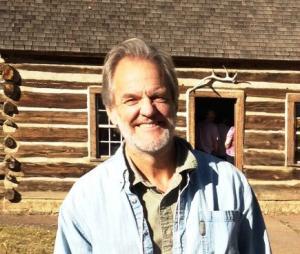
When you first hear the name Jeffrey Ostler, you might wonder, “Who is he, and why does his work matter?” In a world full of historical narratives that often focus on the winners, Ostler stands out by looking closely at stories that are complicated, painful, and hugely important for understanding the United States — particularly the experiences of Native American nations. In this long‑form article, we’ll unpack who Jeffrey Ostler is, what he’s contributed to history, and why his perspective continues to shape how scholars and curious readers think about America’s past.
We’ll walk you through his background, major books, key ideas, and the impact of his scholarship. And don’t worry — even though some topics are heavy, we’ll make them clear and engaging, just like a good conversation with a thoughtful teacher.
Who Is Jeffrey Ostler?
Jeffrey Ostler is an American historian known for his deep and careful study of the history of the American West and Native American history. He spent much of his academic career at the University of Oregon, where he has been a professor of history, focusing especially on how U.S. expansion affected Indigenous peoples and cultures.
More than just a teacher, Ostler is also a writer and researcher whose books have helped shift how scholars and the public think about the struggles and resilience of Native nations during the dramatic growth of the United States. His work stands out because it doesn’t just retell familiar stories — it reframes entire chapters of American history through fresh evidence and new questions.
The Core of His Scholarship: Understanding History From the Ground Up
One of the central things to know about Jeffrey Ostler is that he writes history from multiple angles — political, cultural, and human. Instead of focusing only on presidents, wars, and treaties (the usual “top‑down” approach), he digs into how large social forces shaped real human experiences, especially for communities that have often been overlooked.
Key Themes in Ostler’s Work
-
Colonialism and Power: Ostler examines how the expansion of the United States operated as a form of colonialism that deeply reshaped Indigenous lives and lands.
-
Native American Resistance and Agency: Rather than portraying Indigenous peoples as passive victims, Ostler emphasizes their strategies of resistance, adaptation, and survival.
-
Historical Complexity: He uses careful evidence and narrative nuance to reveal the messy and often ignored realities behind policies like removal, warfare, and settlement.
Major Works by Jeffrey Ostler
Ostler has written several important books that scholars and students frequently refer to. Each of these works tackles a major piece of U.S. and Native history, helping readers see the past in new ways.
1. Surviving Genocide: Native Nations and the United States from the American Revolution to Bleeding Kansas
This book is one of Ostler’s most ambitious projects. Published by Yale University Press, it traces how policies and actions by the early United States affected Native peoples — and argues that the U.S. approach was often genocidal in intent and consequence.
Rather than a simple chronology, Surviving Genocide is a big, sweeping narrative that spans more than a century of history. Ostler uses evidence from government records, treaties, oral histories, and military documents to show the human cost of expansion and to highlight how Native nations responded.
Why It Matters: This work challenges older histories that gloss over violence or treat Indigenous suffering as a side note. Instead, Ostler centers Native experiences and asks deep questions about power, policy, and survival.
2. The Lakotas and the Black Hills: The Struggle for Sacred Ground
In this book, Ostler focuses on one of the most important conflicts in American history — the struggle over the Black Hills, a region that is sacred to the Lakota Sioux people in what is now South Dakota.
Ostler tells the long story of how this land became a central symbol of Indigenous resistance and American expansion — from early treaties to legal battles that have continued into the modern day.
The Black Hills weren’t just land — they were spiritual centers, homes, and cultural anchors. Ostler’s work helps readers understand that the fight over these hills was about identity and survival, not just economics or politics.
3. The Plains Sioux and U.S. Colonialism from Lewis and Clark to Wounded Knee
Published earlier in his career, this book set the stage for many of Ostler’s later ideas. Here, he tracks the history of the Plains Sioux over nearly a century, showing how U.S. power and Native resistance shaped one another.
It covers major events like the Oregon Trail, battles against U.S. forces, the deaths of leaders like Sitting Bull, and the tragedy of Wounded Knee.
What’s compelling about this book is that it goes beyond battles — Ostler highlights the cultural, spiritual, and political resistance that Sioux communities maintained even in the face of overwhelming pressure.
4. Prairie Populism: The Fate of Agrarian Radicalism in Kansas, Nebraska, and Iowa
This earlier work explores a slightly different topic: the political movements of farmers and working‑class citizens in the late 19th century Midwest.
While not focused on Native history, this book reflects Ostler’s broader interests in how social movements and ordinary people influence — and are influenced by — national change.
A Different Perspective on American Expansion
One of the most important contributions of Jeffrey Ostler’s research is his explanation of what drove U.S. policy toward Native Americans in the early years of the republic. If you’ve ever wondered why treaties were made and then broken, or why entire nations were forced to leave their homelands, Ostler provides clear answers.
“The basic driver of policy,” Ostler explains in an interview, “was the imperative to take land from Native Americans so that it could be converted into private property for the benefit of settlers, speculators, and capitalist economic development more generally.”
But here’s where it gets really interesting: U.S. leaders generally preferred that Native nations would give up their lands “voluntarily” through treaties, then eventually adopt Christianity and assimilate into American society. When Native nations resisted – as they often did – the U.S. turned to what officials themselves called “exterminatory warfare”.
This wasn’t just regular warfare between armies. As Ostler’s research shows, it often involved targeting entire Native communities, including non-combatants – women, children, and elderly people. This distinction is crucial to understanding why Ostler uses the term “genocide” to describe aspects of U.S. policy.
What Makes Ostler’s Perspective Special?
Here’s where things get interesting. You might be wondering: Isn’t American history already written? The short answer is yes and no.
Most history books for schools focus on presidents, wars, and simple storylines. Ostler’s work is different because:
1. He Centers Indigenous Voices
Ostler repeatedly turns the spotlight toward Native nations, not only as subjects of policies but as actors with agency, strategy, and insight.
2. He Draws from Many Kinds of Evidence
Instead of relying only on government documents, Ostler brings in tribal oral histories, cultural records, and expert scholarship to create a richer narrative.
3. He Questions Old Narratives
He challenges simplified explanations of U.S. expansion by showing how violence, policy, and ideology intersected in ways that deeply reshaped entire nations.
What’s the Bigger Picture?
So why should someone outside academia care about Jeffrey Ostler’s work? Because his history has real relevance to how we think about fairness, memory, and identity today.
When we revisit old stories of the past through a lens that includes all voices — not just those who held power — we get a fuller, more honest picture of our shared history. Ostler’s writing pushes us to think harder about the consequences of decisions that shaped nations and affected thousands of lives.
And while some of his topics — like genocide, displacement, and colonial power — are serious, understanding them helps us make better decisions about tolerance, justice, and human dignity today.
Conclusion: Why Jeffrey Ostler Matters
Jeffrey Ostler isn’t just another historian — he’s someone who invites us to look at American history with fresh eyes. By focusing on Indigenous experiences and placing them at the center of major historical narratives, he challenges us to:
-
Think more critically about how history is written
-
Recognize the perspectives of all communities involved
-
Understand that history isn’t just about what happened — it’s about how we remember and learn from it
If you’re curious about America’s past beyond simple stories and want to explore voices that have been unheard for too long, Ostler’s work is a powerful place to start.



Leave a Reply