
If you’ve heard about the machebeuf calendar, you’re probably curious what it actually is and why it matters. Whether you’re a student, parent, alumni member, or simply researching the school, the calendar plays a central role in organizing academic life. It tells you when classes start, when exams happen, when holidays occur, and when important community events take place.
In this guide, we’ll explore everything you need to know about the Machebeuf calendar. We’ll explain its purpose, structure, academic schedule, religious events, and historical importance. We’ll also discuss how the calendar reflects the values and traditions of Bishop Machebeuf High School and its broader educational mission.
What Is the Machebeuf Calendar?
The machebeuf calendar is the official schedule used by Bishop Machebeuf High School to organize its academic year, school activities, and religious observances. It serves as a roadmap for students, teachers, and families.
Think of it as the school’s master timeline. It includes:
-
First and last day of classes
-
Holidays and school breaks
-
Exam periods
-
Parent-teacher conferences
-
School Mass and religious events
-
Athletics and extracurricular activities
Schools rely heavily on calendars to keep everything running smoothly. Without one, it would be chaos—missed exams, forgotten events, and confusion everywhere.
You can view official school updates and legacy information directly through the Bishop Machebeuf High School official website.
The History Behind Bishop Machebeuf High School
To understand the Machebeuf calendar, you first need to understand the school itself.
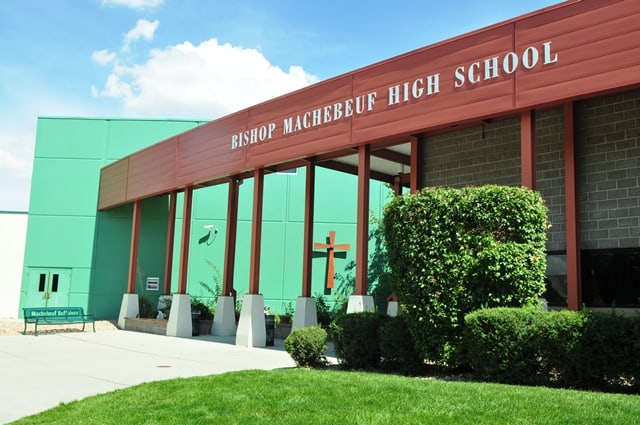
Bishop Machebeuf High School was a Catholic high school located in Denver. It served students for over 60 years and was named after Joseph Projectus Machebeuf, the first Catholic bishop of Colorado.
The school focused on:
-
Classical Catholic education
-
Academic excellence
-
Faith-based learning
-
Character development
Over the decades, thousands of students graduated from Machebeuf and used its calendar to organize their academic and spiritual lives.
According to official reports, the school operated for 66 years before closing permanently in June 2025 due to financial and enrollment challenges.
Why the Machebeuf Calendar Is So Important
You might wonder—why is a school calendar such a big deal?
The answer is simple: it organizes everything.
Here’s why the machebeuf calendar matters:
1. Academic planning
Students know when classes begin, when exams happen, and when projects are due.
2. Family scheduling
Parents can plan vacations, appointments, and activities around school dates.
3. Religious observances
Catholic schools include important liturgical events like Mass, Lent, and Easter.
4. Event coordination
Sports, dances, retreats, and school celebrations all appear on the calendar.
Without the calendar, coordinating hundreds of students and teachers would be nearly impossible.
Key Academic Dates in the Machebeuf Calendar
The academic year typically follows a structured pattern similar to most Catholic and private high schools.
Typical academic calendar structure:
Fall Semester
-
August: School begins
-
September–October: Regular classes
-
November: Thanksgiving break
-
December: Final exams and Christmas break
Spring Semester
-
January: Classes resume
-
February–March: Mid-semester activities
-
March or April: Spring break
-
May: Final exams and graduation
Admissions and important academic milestones, like placement tests and orientation, also appear on the calendar.
Religious Events and Liturgical Celebrations
One unique aspect of the machebeuf calendar is its strong connection to the Catholic faith.
Unlike public school calendars, it includes religious events such as:
-
School Mass
-
Ash Wednesday services
-
Holy Week observances
-
Advent and Christmas celebrations
-
Catholic Schools Week
These events help students grow spiritually while also developing academically.
Catholic education focuses on the whole person—not just grades, but character and faith as well.
You can explore Catholic school structure and mission through the Archdiocese of Denver Catholic schools system.
Student Life Events Included in the Calendar
The machebeuf calendar isn’t just about classes—it’s also about student life.
Students could find events like:
Social events
-
Prom
-
Homecoming
-
School dances
-
Cultural celebrations
Academic events
-
Science fairs
-
College prep workshops
-
Exam weeks
Community events
-
Service projects
-
Retreats
-
Fundraisers
These events create memorable experiences and help students build friendships.
Athletic Events and Sports Scheduling
Sports played a major role at Bishop Machebeuf High School.
The machebeuf calendar included schedules for:
-
Football games
-
Basketball tournaments
-
Soccer matches
-
Volleyball games
-
Track and field events
Sports calendars help athletes, coaches, and families stay organized.
They also allow the school community to support student athletes.
How Parents Used the Machebeuf Calendar
Parents relied heavily on the calendar to stay involved in their child’s education.
They used it to track:
-
Parent-teacher conferences
-
School holidays
-
Tuition deadlines
-
Graduation ceremonies
-
Religious events
This helped families stay connected and engaged.
A clear calendar improves communication between schools and parents.
Digital Access to the Machebeuf Calendar
In recent years, schools moved their calendars online.
The machebeuf calendar was available digitally, allowing users to:
-
View events anytime
-
Download schedules
-
Sync with phones
-
Receive updates
This made it much easier to stay informed.
Online calendars also reduce confusion and missed events.
The Calendar’s Role in School Organization
Behind the scenes, the calendar helped administrators coordinate everything.
It allowed them to plan:
-
Academic schedules
-
Teacher meetings
-
Religious ceremonies
-
Extracurricular activities
Without a structured calendar, managing a school would be extremely difficult.
It acts as the backbone of school operations.
Important Admissions and Enrollment Dates
The machebeuf calendar also included admissions timelines.
Key admissions dates included:
-
Application deadlines
-
Entrance exam dates
-
Financial aid deadlines
-
Orientation sessions
These dates helped new students prepare for enrollment.
Admissions calendars ensure fairness and organization.
How the Calendar Reflected Catholic Educational Values
The machebeuf calendar wasn’t just functional—it reflected the school’s values.
Catholic schools emphasize balance between:
-
Academic excellence
-
Faith development
-
Community service
-
Character growth
The calendar included time for all these areas.
This helped students grow intellectually and spiritually.
Transition After Bishop Machebeuf High School Closed
In 2025, Bishop Machebeuf High School officially closed its doors.
After closure, many students transitioned to St. John Paul the Great Catholic High School, another Catholic high school serving the region.
This transition meant new calendars replaced the old machebeuf calendar.
However, the legacy and structure remain similar.
You can review modern Catholic school schedules through the St. John Paul the Great Catholic High School academic calendar.
Differences Between Catholic and Public School Calendars
The machebeuf calendar had some key differences compared to public schools.
Catholic school calendar features:
-
Religious holidays included
-
Faith-based events scheduled
-
Retreat days
-
Liturgical observances
Public schools usually focus only on academic events.
Catholic schools include spiritual development as well.
How Students Benefited from the Machebeuf Calendar
Students gained many advantages from having a clear and structured calendar.
Benefits included:
-
Better time management
-
Reduced stress
-
Clear academic planning
-
Stronger school involvement
When students know what’s coming, they perform better.
Organization improves success.
Alumni and the Continuing Legacy of the Calendar
Even though the school closed, alumni still remember the machebeuf calendar.
It represented:
-
Graduation milestones
-
Sporting victories
-
School traditions
-
Faith celebrations
Calendars hold emotional significance because they mark important life events.
They become part of personal memories.
How School Calendars Are Created
Creating a school calendar is a complex process.
Administrators must consider:
-
Academic requirements
-
Religious observances
-
State regulations
-
Teacher schedules
-
Holiday periods
Everything must fit together perfectly.
It requires careful planning and coordination.
Common Events Found in Catholic School Calendars
Catholic high school calendars typically include:
Academic events
-
Exams
-
Report card releases
-
Class schedules
Religious events
-
Mass
-
Lent observances
-
Christmas celebrations
Community events
-
Fundraisers
-
Service days
-
School gatherings
These events create a balanced educational experience.
Why the Machebeuf Calendar Still Matters Today
Even though the school has closed, the machebeuf calendar remains important.
It represents:
-
Educational tradition
-
Catholic academic structure
-
School organization methods
-
Historical legacy
Many Catholic schools use similar calendar systems.
The structure continues in successor schools.
Conclusion: Understanding the Importance of the Machebeuf Calendar
The machebeuf calendar was much more than a simple schedule. It was the foundation that organized academic life, religious events, and community activities at Bishop Machebeuf High School.
It helped students stay on track, allowed parents to stay informed, and enabled administrators to run the school smoothly. From exam dates to religious celebrations, every important moment was carefully planned and recorded.
Even though Bishop Machebeuf High School closed in 2025, its calendar remains a powerful symbol of its educational mission and legacy. It reflects the structure, discipline, and faith-based values that defined the school for more than six decades.
Understanding the machebeuf calendar gives you insight into how Catholic schools operate—and how thoughtful organization helps students grow academically, spiritually, and personally.



Leave a Reply