
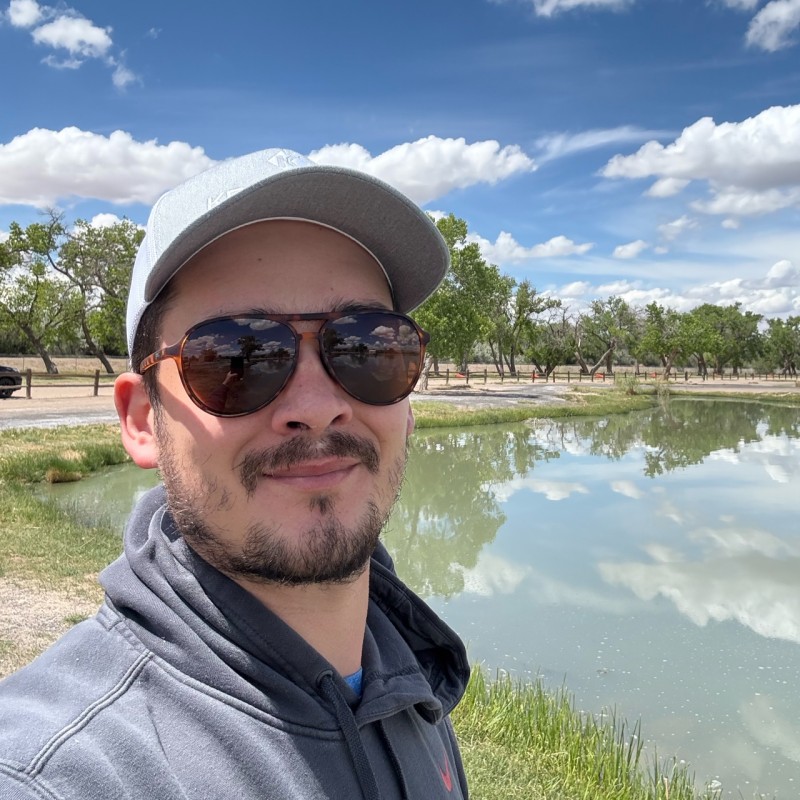
Hey there, have you ever wondered about those people who seem to blend a love for the outdoors with a passion for teaching? Well, let’s chat about Griffin Bosserman. He’s not a household name like a celebrity, but his story is pretty inspiring if you’re into education, nature, or just seeing how someone’s path unfolds. We’ll dive into his background, career, and what makes him tick—all in a way that’s straightforward and fun. Think of this as a casual conversation over coffee, where I share what I’ve learned about this interesting guy.
Growing Up in the South: Roots in South Carolina
Picture this: a kid from Daniel Island, South Carolina, surrounded by coastal vibes and plenty of green spaces. That’s where Griffin Bosserman hails from. Daniel Island is one of those charming spots with marshes, rivers, and a laid-back feel—perfect for sparking an interest in the environment early on.
From what we know, Griffin comes from a close-knit family. He’s got a brother named Dylan, who even stood as best man at a family wedding a few years back. Family seems important to him, and that sense of connection probably influences how he approaches life and work. Imagine growing up in a place where nature is right at your doorstep; it makes sense that he’d end up pursuing studies tied to the earth.
We don’t have a ton of details on his childhood, but it’s clear that by his college years, he was already drawn to exploring the world beyond his hometown. Moving from sunny South Carolina to new adventures shows a bit of that adventurous spirit—kind of like how we all step out of our comfort zones to grow.
College Days at Wofford: Discovering a Passion for the Environment
Fast forward to college, and Griffin Bosserman lands at Wofford College in Spartanburg, South Carolina. If you’re not familiar, Wofford is a small liberal arts school known for its strong programs in humanities and sciences. Griffin dove right in, majoring in environmental studies.
Back in 2017, as a sophomore, he joined a memorable Interim trip called “California Landscapes.” This wasn’t your typical classroom stuff—it involved trekking from Yosemite National Park to the Golden Gate Bridge, soaking in the wild beauty of the West. Griffin shared how the trip taught him to embrace surprises: “For someone who always liked to know the plan or what was next, this trip really made me appreciate the beauty of accidental surprises.” He even called the group a “rag-tag” bunch that became lifelong friends, thanks to the “magic out there” in the Sierra air.
By 2019, he graduated with a Bachelor of Arts in Environmental Studies. His capstone project had a cool title: “Back to Our Roots: Using Homiletics and Environmental Education in Attempt to Escape the Anthropocene.” That’s a fancy way of saying he explored how storytelling and teaching about nature can help us rethink our impact on the planet. It’s like using old-school preaching styles to inspire modern eco-awareness—pretty creative, right?
College wasn’t just about books for him. He got hands-on with things like harvesting crops in an on-campus garden and contributing to environmental newsletters. These experiences built a foundation that blended learning with real-world action, setting the stage for what came next.
Stepping into Environmental Education: The AmeriCorps Chapter
After graduation, Griffin Bosserman didn’t waste time. He joined the Potomac Valley Audubon Society as an Environmental Educator through AmeriCorps. This group, based in West Virginia’s Eastern Panhandle, focuses on preserving nature through education and community involvement. It’s all about getting people—especially kids—excited about the outdoors.
Griffin’s role involved leading workshops, like one called “Brains in Bloom” at Yankauer Nature Preserve. His passion for environmental writing shone through here; it started back in college on the “humanities side” of things. Imagine guiding folks through writing exercises inspired by blooming flowers or chirping birds—it’s a gentle way to connect people with nature. Though some events got postponed due to COVID-19, his enthusiasm for blending creativity with ecology was evident.
Working with Audubon likely honed his skills in teaching diverse groups. AmeriCorps gigs are often about service, and this one let him channel his environmental studies degree into something tangible. It’s rewarding work, but it can be challenging too—think unpredictable weather or getting a group of restless kids to focus on a leaf. Yet, for someone like Griffin, it probably felt like a natural fit.
Transition to the Classroom: Becoming a 5th Grade Teacher
Now, let’s talk about where Griffin Bosserman is today—or at least as of recent updates. He’s settled in Easton, Maryland, teaching 5th grade at Saints Peter and Paul Elementary School. Easton is a quaint town on Maryland’s Eastern Shore, with a mix of history, farms, and waterways. It’s not too far from his Audubon days, but it marks a shift toward formal education.
Why elementary school? Well, he’s pursuing a master’s degree in Elementary Education, which suggests a deepening commitment to shaping young minds. Teaching 5th graders means covering everything from math to science, often with a hands-on twist. Given his background, he might weave in environmental lessons—like why recycling matters or how local ecosystems work.
Living in Easton seems to suit him. In late 2025, he purchased a property on Bay Street, hinting at putting down roots. Maryland’s Eastern Shore offers plenty of natural spots, from the Chesapeake Bay to wildlife refuges, so he can keep that nature connection alive outside the classroom.
What does a day in his life look like? Probably starting with lesson plans, engaging with curious 10-year-olds, and maybe sneaking in a story about a Yosemite adventure to spark their imagination. It’s the kind of job where you see real impact, like when a student suddenly “gets” a concept.
Personal Side: Hobbies, Social Media, and Family Ties
Beyond work, Griffin Bosserman comes across as a down-to-earth guy. His old X (formerly Twitter) account, @BadBassBoss, shows posts from around 2015—stuff about sports drafts, moving to Daniel Island, and light-hearted banter with friends. The bio? “God bless America, dont mess with me im a Badbass.” It’s got a fun, patriotic edge with a touch of humor.
Family pops up again in public records, like being best man for his brother’s wedding. These glimpses suggest he’s someone who values relationships and perhaps enjoys outdoor activities, given his environmental bent. Maybe fishing or hiking? We can only guess, but it fits the profile.
Social media isn’t super active now, which might mean he’s focused on real-life connections. In a world full of online noise, that’s refreshing—reminds us that not everyone needs to broadcast every moment.
Why Griffin Bosserman’s Story Matters
So, why bother learning about someone like Griffin Bosserman? In a nutshell, his path shows how passions can evolve. Starting with environmental studies, moving to hands-on education in nature, and now teaching kids—it’s a thread of helping others connect with the world around them.
If you’re a student thinking about college, his Wofford experience highlights the value of trips and projects that go beyond textbooks. For aspiring teachers, it’s a reminder that backgrounds in fields like environmental science can enrich your classroom. And for anyone, it’s about following what lights you up, even if it leads to unexpected places like from South Carolina to Maryland.
Challenges and Broader Context in Education and Environment
Of course, fields like education and environmental work aren’t without hurdles. Teachers often juggle big classes, limited resources, and burnout. Environmental educators face issues like climate change skepticism or funding cuts. Griffin Bosserman’s journey likely includes navigating these, but his continued involvement speaks to resilience.
On a positive note, roles like his help build awareness. For instance, programs like AmeriCorps introduce young people to conservation, which can lead to lifelong habits. In schools, integrating nature into lessons can make learning more engaging—who wouldn’t prefer a field trip over a worksheet?
Here’s a quick look at how environmental education benefits kids:
- Boosts Creativity: Writing about nature, like in Griffin’s workshops, encourages imaginative thinking.
- Improves Health: Time outdoors reduces stress and promotes activity.
- Fosters Responsibility: Learning about ecosystems teaches kids to care for the planet.
- Enhances Academics: Studies show nature-based learning improves focus and test scores.
These aren’t just perks; they’re backed by research from groups like the Audubon Society.
Wrapping It Up: Lessons from Griffin Bosserman’s Path
As we wrap this up, Griffin Bosserman stands out as a dedicated educator with a heart for nature. From his South Carolina roots to teaching in Maryland, his story is about growth, service, and staying connected to what matters. Whether he’s leading a workshop or grading papers, he’s contributing in meaningful ways.
If this sparks your curiosity, maybe check out similar paths or even volunteer with a local Audubon chapter. Who knows—you might discover your own “accidental surprises” along the way. Thanks for joining me on this exploration; it’s folks like Griffin who remind us that everyday passions can make a real difference.


Leave a Reply