
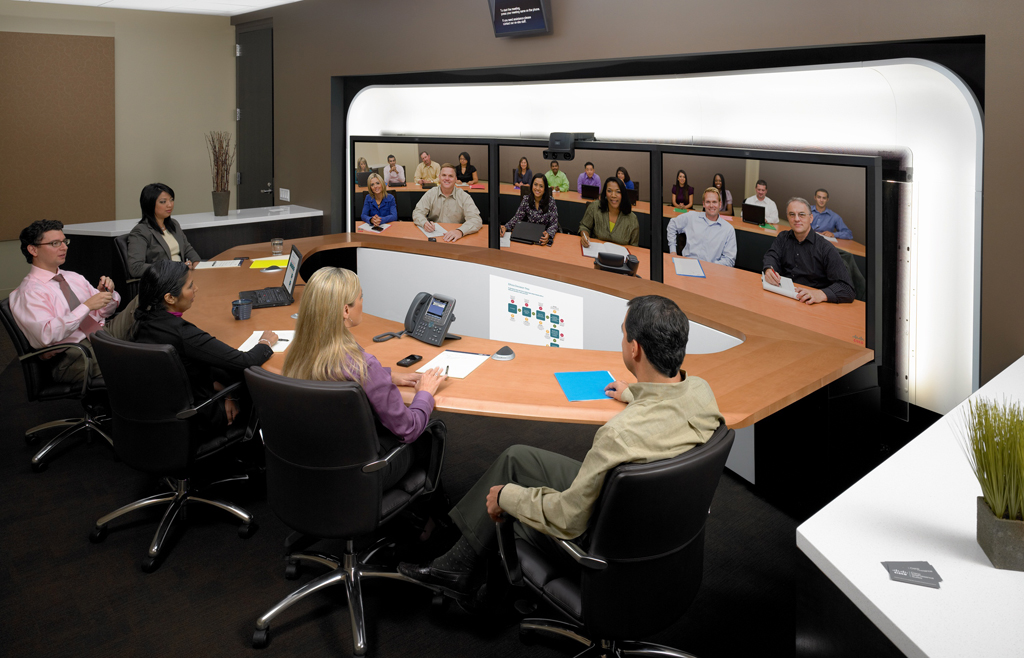
Have you ever wondered how video calls became such a big part of our daily lives? From Zoom meetings to FaceTime chats, it’s easy to take them for granted now. But back in the late 2000s, companies like Soltrite were pushing the boundaries to make high-quality, multi-person video conferencing accessible without breaking the bank. Let’s dive into what Soltrite was all about, how it started, and why it matters—even if its story feels a bit like a hidden gem from tech history.
What is Soltrite?
Soltrite is a company that emerged in the late 2000s to provide advanced video communication solutions. Based in Lakeville, Minnesota, it offered HD telepresence services, which basically mean high-quality video calls that feel almost like being in the same room. They used technology from partners like Vidyo to deliver multi-party conferences without needing fancy equipment—just a webcam and internet connection. This made it easier for businesses and organizations to connect remotely.
Soltrite provided a range of services centered around video and IT solutions. These included network managed services, voice and data networks, and specialized applications like kiosks for live video help in stores or remote interpreting for languages. They emphasized client needs, offering custom integrations for things like mental health consultations via video. Their approach was to make technology cost-effective while maintaining high quality.
The Impact and Legacy
Soltrite contributed to the shift toward cloud-based video services, which we see everywhere today in tools like Zoom. While it’s not clear if the company is still independently active—its online presence is sparse—it represents an early innovator in making telepresence mainstream. If you’re interested in similar technologies, checking out modern providers can show how far this field has come.
The Origins of Soltrite: A Minnesota Startup Story
Picture this: It’s 2009, the world is recovering from a financial crisis, and the iPhone is still pretty new. In Minneapolis, a guy named Scott Colesworthy decides it’s time to jump back into the startup game. Scott wasn’t new to this—he’d already built and sold two companies, SPC Communications and Soltris, which dealt with voicemail and call center tech. They peaked with 42 employees and $7 million in sales before being snapped up by Avtex in 2003 (which later got bought by the Pohlad family, known for owning the Minnesota Twins).
Scott took a break, but his entrepreneurial itch returned. He did his homework, reading books like “The Innovator’s Dilemma” by Clayton Christensen, and spotted a gap in video conferencing. Most systems back then required expensive hardware and dedicated lines, making them clunky for everyday use. Enter Vidyo, a New Jersey company with patented tech that could handle HD video over regular internet. In August 2009, Scott licensed it and launched Soltrite as a way to package and sell this to businesses.
Soltrite wasn’t just another tech firm; it was built on the idea that great communication shouldn’t be reserved for big corporations with deep pockets. They aimed to deliver “global HD telepresence” in a way that felt simple and reliable. Headquartered in Lakeville, Minnesota, at 16078 Hawthorn Path, the company started small but with big ambitions.
What Exactly is Telepresence, and How Did Soltrite Do It?
If you’re scratching your head at “telepresence,” don’t worry—it’s basically a fancy word for video communication that mimics being in the same room. Think crystal-clear video, smooth audio, and the ability to share screens or talk with multiple people at once. Unlike basic webcams, telepresence aims for immersion, reducing that awkward lag or pixelated faces we sometimes still deal with.
Soltrite made this happen by leveraging Vidyo’s technology, which was groundbreaking because it worked over the public internet. No need for special setups; if your computer had a webcam, you were good to go (though they recommended a decent USB headset for better sound). Their software was a quick 6MB download, with an intuitive interface that let you adjust settings for your connection speed.
One cool feature was the performance panel—it showed real-time stats like bandwidth usage, so you could tweak things on the fly. They supported multi-party calls, automatic window expansion for the speaker, and desktop sharing. It was designed for real-world use, like business meetings where people might talk over each other (though that could get chaotic, as anyone who’s been in a group call knows).
But Soltrite went beyond basic video. They offered custom integrations, like linking video to back-end business systems or creating video contact centers. This was especially useful for industries needing reliable remote connections without the hassle.
Key Services and Specialties from Soltrite
Soltrite positioned itself as a full-service provider, with client needs at the core. Here’s a breakdown of what they offered, based on their specialties:
- Video Remote Interpreting (VRI): This allowed live language translation via video, perfect for hospitals, courts, or businesses dealing with diverse clients. Imagine a doctor consulting with a patient in another language without waiting for an in-person interpreter—Soltrite made that possible.
- Kiosk and Digital Signs: Retailers could set up kiosks where customers chat live with experts. Need help picking out a product? Hit a button, and an HD video call connects you to someone knowledgeable. It was a way to blend online and in-store experiences.
- Tele-Mental Health: Connecting patients with mental health providers remotely. This was ahead of its time, especially considering how telehealth exploded during the pandemic. Soltrite’s solutions ensured secure, high-quality video for sensitive conversations.
- Network Managed Services and IT Solutions: They handled voice and data networks, cloud-based video as a service, and even call center integrations. With over 100 years of combined experience (including partners), they promised cost-effective plans with a single point of contact.
- Soltrite 360 Care: A comprehensive package that likely wrapped up their services for ongoing support.
They emphasized using industry best practices and a wide selection of telecom carriers to tailor solutions. For a company with 11-50 employees, this was an impressive scope, focusing on telecommunications but branching into healthcare, retail, and more.
The Acquisition and What Came Next
Soltrite’s journey took a turn in 2014 when it was acquired. Details are sparse—tech news from Minnesota outlets like tech.mn reported it as a “local tech venture” being bought out, but no buyer was publicly named in available records. This often happens with smaller acquisitions, where the tech gets absorbed into a larger firm.
After that, things get quieter. The company’s YouTube channel, “SOLTRITE – Global HD Telepresence & Communication Services,” has videos from over a decade ago, like demos of video kiosks and remote interpreting. Their LinkedIn page still exists, listing them as privately held with 46 followers, but no recent updates. Attempts to access their website (www.soltrite.com) lead to errors, suggesting it might be down or the company has pivoted.
Is Soltrite still operating? It’s hard to say definitively without more current data. The Better Business Bureau profile is active, noting 16 years in business as of 2026, and Yelp has an entry updated in January 2026 for a location in Excelsior, Minnesota (though some listings oddly describe it as a wellness center, which seems like a mix-up). Perhaps parts of the business live on through integrations or under new ownership. If you’re curious, reaching out via their listed phone (952-960-something from directories) could clarify, but that’s beyond what public info shows.
Why Soltrite Matters in Today’s World
Looking back, Soltrite was part of a wave that democratized video tech. In 2009, multi-party HD calls over everyday internet were innovative—now, they’re standard. Companies like this paved the way for the remote work boom. Imagine if Soltrite had scaled bigger; we might have seen even earlier adoption in fields like telehealth.
But tech moves fast, and smaller players often get acquired or fade as giants like Microsoft Teams or Zoom dominate. Soltrite’s story reminds us that innovation starts with entrepreneurs like Scott, spotting opportunities and running with them. It’s a testament to Minnesota’s tech scene, too—quiet but impactful.
Challenges and Lessons from Telepresence Pioneers
One thing Soltrite highlighted was the importance of bandwidth. Upload speeds limited quality back then, and even now, rural areas struggle. They also noted mobile integration was coming, but lacked PC-to-phone calls at launch—a gap that modern tools have filled.
Humorously, think about those early video calls: No mute button mishaps or cat filters yet, but the potential for chaos was there. Soltrite aimed to minimize that with user-friendly design.
If there’s a takeaway, it’s that good tech solves real problems. Soltrite focused on client services, not flashy gimmicks, which is why they attracted attention in healthcare and retail.
Wrapping Up: The Enduring Appeal of Connected Communication
Soltrite might not be a household name, but its contributions to HD telepresence echo in how we connect today. From its Minnesota roots to specialized services like VRI and tele-mental health, it showed how video can bridge distances affordably. Whether it’s still active or has morphed into something new, the legacy is clear: Making communication easier benefits everyone.
If this sparks your interest in telepresence, explore current options or dig into tech history. Who knows—you might find the next big idea, just like Scott did.



Leave a Reply