
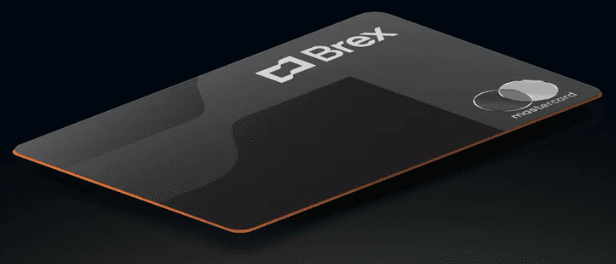
The Complete Guide for Founders Who Want Fast Approval and Maximum Credit Limits
Starting a business is exciting. Getting rejected for a business credit card is not.
If you are a startup founder, you have probably run into this problem already. Traditional banks want two or three years of business history, strong personal credit, and sometimes a personal guarantee before they will hand you a corporate card. That is not realistic for most early-stage companies.
That is exactly why Brex was built.
In this guide, you will learn everything you need to know about the Brex Business Card, how the approval process actually works for startups, what you need to qualify, and how to improve your chances of getting approved quickly.
Table of Contents
- What Is the Brex Business Card?
- How Brex Is Different from Traditional Business Credit Cards
- Who Qualifies for Brex? Eligibility Requirements Explained
- Step-by-Step: How to Apply for Brex as a Startup
- What Brex Looks at During Underwriting
- Tips to Increase Your Approval Chances
- Brex Credit Limits: What to Expect as a Startup
- Brex Rewards and Benefits for Startups
- Common Reasons Startups Get Rejected (and How to Avoid Them)
- Brex vs. Competitors for Startups
- Frequently Asked Questions
- Final Thoughts
What Is the Brex Business Card?
Brex is a financial technology company founded in 2017 by Henrique Dubugras and Pedro Franceschi. The company launched its corporate charge card specifically to solve a problem that nearly every startup founder faces: getting access to business credit without an established credit history or collateral.
Unlike a traditional credit card, the Brex Business Card is a charge card, which means the full balance is due at the end of each billing period. There is no revolving credit, no interest charges, and no personal guarantee required for most applicants.
Brex has grown into a full financial platform that includes:
- Corporate charge cards (physical and virtual)
- Business bank accounts
- Expense management software
- Bill pay
- Travel management
- Vendor management
However, the charge card remains the flagship product and the primary reason most startups come to Brex in the first place.
Quick Fact: Brex has raised over $1.5 billion in funding and has served tens of thousands of startups, including companies backed by Y Combinator, Sequoia Capital, and other top-tier investors.
How Brex Is Different from Traditional Business Credit Cards
Before diving into the approval process, it helps to understand why Brex was designed differently from cards like Chase Ink, American Express Business Gold, or Capital One Spark.
No Personal Guarantee Required
This is the biggest differentiator. Most traditional business credit cards require a personal guarantee, which means if your business cannot pay its bills, the card issuer can come after your personal assets. Brex does not require this for most applicants.
No Personal Credit Check (in Most Cases)
Traditional issuers run a hard inquiry on your personal credit report. A series of rejections can actually damage your personal credit score. Brex underwrites based on your business financials, not your personal FICO score.
It’s a Charge Card, Not a Credit Card
This is an important distinction. Because Brex is a charge card:
- Your balance is due in full each billing cycle (typically daily, weekly, or monthly depending on your plan)
- There are no interest charges
- Credit limits tend to be higher than traditional cards relative to your spending needs
- Your spending limit is dynamic and adjusts based on your cash balance
Built for Startups from Day One
Brex’s underwriting model was specifically designed for startups. The company understands that a six-month-old SaaS company with $500,000 in the bank and strong month-over-month growth is a different risk profile than a sole proprietor with limited cash. Brex’s algorithms are built to recognize this.
Who Qualifies for Brex? Eligibility Requirements Explained
This is the section most people searching for this topic actually need. Let us break it down clearly.
Basic Eligibility Requirements
To be considered for a Brex Business Card, your company generally needs to meet the following criteria:
| Requirement | Details |
|---|---|
| Business Type | Corporation (C-Corp, S-Corp), LLC, or LP |
| Business Bank Account | Required — must be linked during application |
| Cash Balance | Typically $50,000+ recommended (more on this below) |
| U.S. Incorporation | Your business must be incorporated in the United States |
| Employer Identification Number (EIN) | Required for application |
Who Brex Is Designed For
Brex currently caters to several types of businesses:
Startups (Venture-Backed or Self-Funded)
This is Brex’s core market. If you have raised a seed round, Series A, or have meaningful runway in your business bank account, you have a strong chance of getting approved.
Ecommerce Businesses
Brex has a specific track for ecommerce companies that looks at revenue patterns and sales history.
Enterprise Companies
For larger companies with established financials, Brex offers enterprise-grade expense management.
Life Sciences Companies
Biotech, MedTech, and research startups often qualify even at early stages due to grant funding.
Who Brex No Longer Serves
This is critical information. In 2022, Brex made a significant policy change. The company announced it would stop serving small businesses and sole proprietors that do not meet certain thresholds. Specifically, Brex discontinued services to:
- Sole proprietors
- Single-member LLCs without meaningful business revenue or funding
- Very early-stage businesses with minimal cash reserves and no institutional backing
If your business falls into one of these categories, you may want to explore alternatives like Ramp, Mercury, or Relay (we cover comparisons later in this article).
Step-by-Step: How to Apply for Brex as a Startup
The application process is straightforward and can be completed online. Here is exactly what to expect.
Step 1: Visit Brex.com and Click “Get Started”
Navigate to Brex’s official website. You will be prompted to enter basic information about yourself and your company.
Step 2: Create Your Account
Provide your:
- Full name
- Work email address
- Phone number
- Password
Step 3: Enter Your Business Information
You will need to provide:
- Legal business name
- Business type (C-Corp, LLC, etc.)
- State of incorporation
- Employer Identification Number (EIN)
- Business address
- Number of employees
- Industry
Step 4: Connect Your Business Bank Account
This is a critical step. Brex will ask you to connect your business bank account using Plaid or by providing bank statements manually. This is how they assess your cash balance and transaction history.
Pro Tip: Connect the bank account that shows the highest cash balance. If you have multiple accounts, connect the one that demonstrates the strongest financial position.
Step 5: Verify Your Identity
As the account owner, you will need to verify your identity with:
- Government-issued ID
- Social Security Number (for identity verification purposes — this does not trigger a hard credit inquiry for most applicants)
Step 6: Review and Submit
Double-check all information and submit your application. Brex typically provides a decision within minutes to a few hours. Some applications may take up to 1-2 business days for additional review.
Step 7: Receive Your Card
If approved, you will immediately receive access to virtual card numbers that you can start using right away. Physical cards typically arrive within 5-7 business days.
What Brex Looks at During Underwriting
Understanding Brex’s underwriting process gives you a significant advantage when applying. Here is what their system actually evaluates.
Cash Balance — The Primary Factor
Brex’s underwriting model is fundamentally different from traditional credit card issuers. Instead of looking at your personal credit score or your business’s multi-year revenue history, Brex primarily looks at how much cash your business has in the bank.
Here is a general framework for how cash balance affects your approval:
| Cash Balance | Approval Likelihood |
|---|---|
| Less than $25,000 | Low — very difficult to get approved unless venture-backed |
| $25,000 – $50,000 | Possible, especially with growth metrics |
| $50,000 – $250,000 | Good — solid chance of approval |
| $250,000+ | Very strong — high approval likelihood |
| $1M+ | Excellent — premium limits and features |
Funding Status
If your company has raised institutional funding from recognized venture capital firms, angel syndicates, or accelerators, Brex treats this as a significant positive signal. Being part of programs like Y Combinator, Techstars, or 500 Startups can meaningfully boost your approval odds.
Revenue Trends
For companies generating revenue, Brex looks at:
- Monthly Recurring Revenue (MRR) — especially for SaaS companies
- Revenue growth trajectory
- Gross margin percentage
- Customer concentration
Business Age
While Brex is startup-friendly, brand new companies (less than 3 months old) may face more scrutiny unless they have meaningful funding or cash. If your company was incorporated recently, make sure your bank account shows a substantial balance before applying.
Industry
Some industries face additional scrutiny due to regulatory concerns or higher risk profiles. These typically include:
- Cannabis or marijuana-related businesses
- Cryptocurrency exchanges
- Adult content businesses
- Firearms manufacturers (in some cases)
- Gambling platforms
Burn Rate
Brex also considers your monthly spending relative to your cash balance. A company with $100,000 in the bank but $80,000 in monthly expenses is at higher risk than one with $100,000 in the bank and $10,000 in monthly expenses. A lower burn rate relative to your cash balance strengthens your application.
Tips to Increase Your Approval Chances
Based on everything Brex evaluates, here are practical steps you can take to improve your chances before you apply.
Tip 1: Build Up Your Cash Balance First
If you currently have less than $50,000 in your business account, consider waiting until you have more cash on hand. Whether that means raising a small friends-and-family round, securing an angel check, or simply saving up revenue, a higher bank balance makes a significant difference.
Tip 2: Apply After Closing a Funding Round
The best time to apply for Brex is immediately after raising money. If you just closed a $500,000 pre-seed round and the funds are sitting in your business bank account, that is the ideal moment to apply. Brex will see a strong cash balance and a clear signal of investor confidence.
Tip 3: Use a Business Bank Account, Not a Personal One
Your business finances must be separated from your personal finances. If you are running business expenses through a personal bank account, you need to fix this before applying. Open a dedicated business checking account (Brex Bank, Mercury, SVB, Chase Business, etc.) and move your business funds there.
Tip 4: Make Sure Your EIN Is Active and Verifiable
Your Employer Identification Number must be registered with the IRS and verifiable. If you recently incorporated, allow a few weeks for your EIN to show up in IRS databases before applying.
Tip 5: Get Incorporated Properly
Sole proprietors and single-member LLCs without an EIN are unlikely to qualify. Make sure your business is properly incorporated as a C-Corp, S-Corp, or multi-member LLC before applying.
Tip 6: Join a Startup Accelerator or Get VC Backing
This is obviously not possible for everyone, but if you are going through a program like Y Combinator, Techstars, or a similar accelerator, Brex has established partnerships that make approval essentially automatic. Reach out to your program coordinator for a referral code or direct application link.
Tip 7: Reduce Your Burn Rate Temporarily
If your monthly expenses are very high relative to your cash balance, consider reducing discretionary spending in the month before you apply. A healthier runway ratio will reflect better in Brex’s underwriting model.
Tip 8: Connect Your Best Bank Account
If you have money spread across multiple accounts, make sure the account you link to Brex shows your strongest balance. You can always add additional accounts later, but your primary linked account is what they evaluate most heavily at the point of application.
Brex Credit Limits: What to Expect as a Startup
One of the most common questions from startup founders is: “How high will my Brex credit limit be?”
Here is how it works.
Dynamic Limits Based on Cash Balance
Unlike traditional credit cards that assign a fixed credit limit, Brex’s spending limit is dynamic. It typically scales as a percentage of your cash balance. This means:
- As your cash balance grows, your spending limit can increase automatically
- If your cash balance decreases significantly, your limit may be reduced
- Brex may perform periodic reviews to adjust limits
Typical Limit Ranges
While Brex does not publish exact formulas, startup founders generally report limits in the following ranges:
| Cash Balance | Approximate Brex Limit |
|---|---|
| $50,000 | $5,000 – $15,000 |
| $100,000 | $10,000 – $30,000 |
| $500,000 | $50,000 – $150,000 |
| $1,000,000+ | $100,000 – $500,000+ |
These are estimates based on community reports and may vary based on other factors including your industry, funding history, and revenue.
How to Increase Your Brex Limit
- Raise more money and keep it in the connected bank account
- Grow your revenue consistently month over month
- Request a limit review through the Brex dashboard if you need more spending power
- Add additional accounts to show a stronger overall financial position
Brex Rewards and Benefits for Startups
Getting approved is just the first step. Here is what you actually get from using the Brex Business Card.
Brex Points Rewards
Brex offers a points-based rewards system with category-specific multipliers that are designed specifically for how startups spend money:
| Category | Points Per Dollar |
|---|---|
| Rideshare (Uber, Lyft) | 4x |
| Travel (Brex Travel) | 5x |
| Restaurants | 3x |
| Software/SaaS Subscriptions | 2x |
| All Other Purchases | 1x |
Note: Rewards rates may vary based on your Brex plan. Always check the current terms on Brex.com for the most up-to-date information.
Points Redemption Options
Brex points can be redeemed for:
- Statement credits (cash back equivalent)
- Travel (flights, hotels via Brex Travel)
- Gift cards
- Transfer to airline and hotel partners (including Air France/KLM Flying Blue, Avianca LifeMiles, Singapore Airlines KrisFlyer, and others)
Startup-Specific Perks
One of Brex’s most compelling offerings for early-stage companies is its partner perks program. Approved Brex users get access to hundreds of thousands of dollars in credits and discounts from software tools that startups commonly use.
Popular perks have historically included credits for:
- AWS (Amazon Web Services)
- Google Cloud
- Stripe
- Notion
- Zoom
- HubSpot
- Salesforce
- Gusto
- QuickBooks
The value of these perks alone can far exceed the cost of using Brex and can be a major draw for early-stage founders trying to stretch their runway.
No Annual Fee Option
Brex offers plans with no annual card fee, though premium plans with additional features may carry monthly software fees. Review current pricing on Brex.com since fee structures can change.
Expense Management Features
For growing teams, Brex’s built-in expense management tools are a major benefit:
- Issue unlimited virtual cards to team members
- Set spending limits per employee or per card
- Require receipt uploads automatically
- Sync with QuickBooks, Xero, NetSuite, and other accounting platforms
- Generate expense reports automatically
Common Reasons Startups Get Rejected (and How to Avoid Them)
Even with the best intentions, some startups still get rejected. Here are the most common reasons and what you can do about each one.
Reason 1: Insufficient Cash Balance
The Problem: Your business bank account does not have enough money to satisfy Brex’s minimum threshold.
The Solution: Wait until you have raised funding or saved up at least $50,000 in your business account before applying.
Reason 2: Wrong Business Structure
The Problem: You applied as a sole proprietor or using a personal bank account.
The Solution: Incorporate your business (a C-Corp via Stripe Atlas, Clerky, or a local attorney is ideal for VC-backed startups) and open a dedicated business bank account.
Reason 3: Very High Burn Rate
The Problem: Brex’s system calculates that your current spending will deplete your cash balance too quickly.
The Solution: Reduce discretionary spending before applying, or apply after raising additional capital so your runway looks healthier.
Reason 4: Unverifiable Business Information
The Problem: Your EIN is too new to verify, your business address is not consistent across documents, or your incorporation details do not match what Brex’s system can find.
The Solution: Wait a few weeks after incorporation, make sure your registered agent address is consistent, and double-check all business details before submitting.
Reason 5: Operating in a High-Risk Industry
The Problem: Your business type falls into a category that Brex considers higher risk or outside its underwriting guidelines.
The Solution: Review Brex’s terms of service to see if your industry is excluded. If it is, explore alternatives that may serve your industry.
Reason 6: Applying Too Soon After Incorporation
The Problem: Your company was incorporated within the past 30-60 days and has not yet established any financial activity.
The Solution: Wait at least 60-90 days after incorporation, or apply immediately after closing a funding round when your bank balance is at its strongest.
Reason 7: Incorrect or Inconsistent Information
The Problem: The information you provided during the application does not match what Brex’s system can verify through bank connections, IRS records, or incorporation filings.
The Solution: Review every field carefully before submitting. Make sure your legal business name matches exactly what is on your EIN registration and incorporation documents.
Brex vs. Competitors for Startups
It is only fair to acknowledge that Brex is not the only startup-friendly corporate card on the market. Here is how it compares to the main alternatives.
Brex vs. Ramp
| Feature | Brex | Ramp |
|---|---|---|
| Personal guarantee | Not required | Not required |
| Personal credit check | Usually not required | Not required |
| Minimum cash balance | ~$50,000 recommended | ~$25,000 recommended |
| Rewards type | Points (travel + cash) | 1.5% flat cash back |
| Expense management | Yes — robust | Yes — very strong |
| Annual fee | No (software fees apply) | No |
| Best for | Venture-backed startups | Cost-conscious businesses |
Verdict: Brex is better for startups that want travel rewards and startup perks. Ramp is better for companies focused on cost savings and straightforward cash back.
Brex vs. Mercury
| Feature | Brex | Mercury |
|---|---|---|
| Product type | Charge card + bank | Business bank + debit card |
| Credit/charge card | Yes | No (debit only) |
| Rewards | Points | None significant |
| Minimum balance | ~$50,000 | Very low or none |
| Best for | Companies needing credit | Very early-stage startups |
Verdict: Mercury is not a direct competitor since it offers banking and debit, not a charge card. Many founders use both — Mercury for banking and Brex for the corporate card.
Brex vs. American Express Business Cards
| Feature | Brex | Amex Business |
|---|---|---|
| Personal guarantee | Not required | Usually required |
| Personal credit check | Usually not required | Required |
| Startup-friendly | Yes | No |
| Rewards | Points | Membership Rewards Points |
| Minimum requirements | Business-based | Personal credit score 680+ |
| Best for | Startups | Established businesses |
Verdict: American Express Business cards are excellent for established businesses with strong personal credit. For startups, Brex is far more accessible.
Brex vs. Divvy (now BILL Spend & Expense)
| Feature | Brex | BILL Spend & Expense |
|---|---|---|
| Personal guarantee | Not required | Sometimes required |
| Personal credit check | Usually not | Sometimes yes |
| Rewards | Points | Points/cash back |
| Best for | Funded startups | SMBs and mid-market |
Verdict: BILL Spend & Expense can work well for small businesses but Brex remains more tailored to venture-backed startups.
Frequently Asked Questions
Does Brex require a personal guarantee?
No. Brex does not require a personal guarantee for most applicants. This means your personal assets are not at risk if your business cannot pay its Brex bill. This is one of the primary reasons founders prefer Brex over traditional business credit cards.
Does applying for Brex hurt my personal credit score?
In most cases, no. Brex typically does not run a hard inquiry on your personal credit report. They underwrite based on business financials. However, they may perform a soft pull for identity verification purposes, which does not affect your score.
What bank account do I need for Brex?
You need a business checking account. Brex accepts connections from most major banks and financial institutions. If you use Brex’s own banking product (Brex Business Account), your cash balance is automatically considered in your underwriting.
Can a brand new startup with no revenue get approved?
Possibly, if you have sufficient cash in your business account — typically from personal investment or a pre-seed/seed raise. Cash balance is the primary approval factor, not revenue. However, a very new company with minimal cash is unlikely to get approved.
How long does Brex take to approve applications?
Many applicants receive a decision within minutes. Some applications require additional manual review and can take 1-2 business days.
What happens if I cannot pay my Brex bill?
Brex is a charge card, so the balance must be paid in full each billing cycle. If payment fails, Brex may suspend your card and pursue collections through business channels. Since there is no personal guarantee in most cases, your personal assets are generally protected, but your business relationship with Brex will be terminated.
Can a non-U.S. founder get a Brex card?
The business must be incorporated in the United States. However, founders who are non-U.S. citizens or non-residents can often still apply if the company itself is a U.S.-registered entity with an EIN.
Does Brex report to business credit bureaus?
Yes. Brex reports payment history to business credit bureaus, which can help you build your business credit profile over time.
Can I get virtual cards immediately after approval?
Yes. Upon approval, you can generate virtual card numbers instantly through the Brex dashboard. This is particularly useful for teams that need to start making purchases right away before physical cards arrive.
Is Brex FDIC insured?
Brex’s banking products are FDIC insured through their banking partners. Check Brex’s current terms and conditions for specific details on coverage amounts and eligibility.
Final Thoughts
The Brex Business Card is one of the most startup-friendly financial products available today. It solves a genuine problem that founders face: accessing corporate credit without years of business history, stellar personal credit, or the willingness to put personal assets on the line.
Here is a quick summary of what you need to know:
- You do not need perfect personal credit
- You do not need to sign a personal guarantee
- You do need a properly incorporated U.S. business
- You do need a business bank account with meaningful cash
- Your approval odds improve significantly with more cash or institutional backing
- The startup perks program can deliver massive value
- The rewards system is designed around how startups actually spend
If you are a venture-backed startup or a self-funded company with solid cash reserves, Brex is worth applying for. The worst that can happen is that you get rejected and try again in a few months with a stronger bank balance.
If you are in the very early stages — bootstrapped, minimal cash, just incorporated — consider building up your runway first or exploring Mercury for banking while you grow. Once you have the financial foundation that Brex looks for, the application process is fast, the card is powerful, and the benefits are meaningful.
Ready to apply? Visit Brex.com and start your application today.
Author’s Note on Accuracy
Financial products change frequently. Interest rates, reward structures, eligibility requirements, and fees described in this article are based on publicly available information and may have changed since publication. Always verify current terms directly with Brex at Brex.com before making any financial decisions.



Leave a Reply