
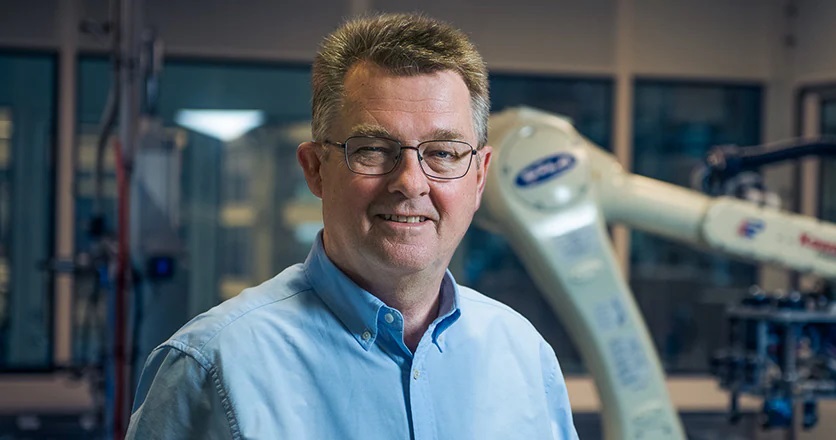
Hey there, curious reader. Have you ever adjusted a hospital bed with the push of a button, stood up from a height-adjustable desk that just feels right for your back, or seen smooth movement in heavy industrial equipment? Chances are, the technology making that possible traces back to a family workshop in Denmark and one determined engineer named Bent Jensen.
Bent Jensen & Family represent a classic story of generational entrepreneurship—starting small, innovating with purpose, and building something that touches everyday lives worldwide while staying true to their roots.
In this article, we’ll explore their journey together. We’ll chat about the humble beginnings in a blacksmith shop, the spark of invention that changed everything, how the company grew into a global player, the family’s values, and what the future holds as leadership transitions. Whether you’re interested in business, engineering, family enterprises, or just inspiring success stories, there’s something here for you. Let’s dive in.
The Roots: A Blacksmith Workshop That Started It All
Picture this: It’s 1907 in Denmark. A man—Bent Jensen’s grandfather—sets up a simple blacksmith workshop. This wasn’t some flashy startup; it was practical work making pulleys, grinding mills, and forges for local farmers and tradespeople.
The business passed down through the family. In 1939, it went to Bent’s father, Christian Jensen & Sons kept going as a modest machine shop. By the time young Bent came along, it was a small operation with just a handful of employees.
Born around 1951-1952, Bent Jensen grew up around tools, metal, and hard work. He pursued a mechanical engineering degree from what is now the University of Southern Denmark (graduating in 1976). Fresh out of school, he took over the family business at a pivotal moment. Many family companies stagnate or fade, but Bent saw potential for something bigger.
You might wonder: What makes a young engineer decide to bet on the family workshop instead of a big corporate job? For Bent, it was likely a mix of duty, opportunity, and that Danish pragmatism—solve real problems with smart engineering. He and his wife Lene gave themselves five years to find a new direction. That decision paid off in ways no one could have imagined.
The “Aha” Moment: Inventing the Electric Linear Actuator
Here’s where the story gets really interesting—and a bit heartwarming. In 1979, Bent was chatting with a friend from his student days. This friend had a disability and struggled with adjusting his wheelchair. That conversation planted a seed: What if we could create reliable electric movement for things like that?
Bent developed the first electric linear actuator, the LA30. A linear actuator is basically a device that turns rotary motion (like from a motor) into straight-line push or pull movement. Think of it as a super-precise, quiet “muscle” for machines and furniture.
Why does this matter? Before electric actuators, many adjustments relied on manual cranks, hydraulics (messy and leaky), or pneumatics. Electric ones are cleaner, more controllable, energy-efficient, and reliable. Bent’s innovation opened doors across industries.
In 1984, they renamed the company LINAK—short for “Lineær Aktuator.” It was official: This family business was pivoting from blacksmith roots to modern motion technology.
Building LINAK: From Local Shop to Global Leader
Under Bent Jensen’s leadership, LINAK expanded thoughtfully. They started in agriculture but quickly moved into healthcare, offices, homes, and industry.
Key milestones you should know:
- 1990s: Established an electronics department. This allowed complete systems, like battery-backed hospital bed adjustments and height-adjustable desk columns.
- Global growth: Factories now in Denmark (main HQ in Guderup/Nordborg area), the US, China, Slovakia, and Thailand. This keeps them close to customers while maintaining strong Danish production with automation.
- Scale: Over 2,500 employees worldwide, subsidiaries in dozens of countries, and annual revenue around $650-680 million. The family is on Forbes’ billionaires list with a net worth estimated at about $2.5 billion.
LINAK operates through segments tailored to specific needs:
- MEDLINE & CARELINE: For hospitals, nursing homes, and homecare—adjustable beds, patient lifts, etc. Safety and reliability are huge here because lives depend on it.
- DESKLINE: Ergonomic office desks, sit-stand solutions. In a world of back pain from desk work, these help you move more.
- TECHLINE: Heavy-duty industrial, agriculture, construction—tough environments where actuators handle big loads reliably.
- HOMELINE: Comfort furniture like adjustable beds for homes.
The company emphasizes quality, innovation (like integrated controllers and digital solutions), and staying close to customers. Production in Denmark continues strongly, supported by robotics—showing commitment to local jobs.
A quick table of LINAK’s impact across sectors:
| Segment | Main Applications | Why It Matters | Example Benefit |
|---|---|---|---|
| MEDLINE & CARELINE | Hospital beds, lifts, treatment chairs | Patient comfort & caregiver safety | Easier adjustments, reduced injury risk |
| DESKLINE | Office desks, workstations | Ergonomics & productivity | Better posture, less back pain |
| TECHLINE | Industrial machinery, agriculture, solar | Durability in tough conditions | Reliable automation, efficiency |
| HOMELINE | Adjustable beds for homes | Daily comfort & independence | Improved sleep and mobility |
This table shows how one family’s innovation quietly improves millions of lives every day.
The Family Behind the Business: Values, Succession, and Long-Term Thinking
What sets Bent Jensen & Family apart is their unwavering commitment to family ownership. In 2012, Bent and his family made a key decision: Create a generational plan to keep LINAK in the family, preserve its values, and ensure long-term thinking.
Bent’s wife, Lene Jensen, has been involved from the start—supporting the vision, taking on roles over the years, and now serving as Chair of the Board. Their children grew up with the company “almost as a family friend.” This deep integration fosters continuity and culture.
Family businesses often face succession challenges—egos, differing visions, or selling out for quick gains. The Jensens prioritized responsibility: to employees, the local community on the island of Als, customers, and Danish roots. They invest long-term and avoid short-term pressures that public companies face.
In 2026, after 50 remarkable years as CEO, Bent Jensen is stepping down (effective August 1). Magnus Conradsen, President of LINAK US with deep company experience, takes over as CEO. Bent stays involved through the board and holding company, focusing on strategy, product development, and community work. This smooth transition reflects careful planning.
It’s refreshing in a world of flashy exits and quarterly earnings obsession. Here, the focus is legacy and steady improvement.
How Linear Actuators Work (And Why You Should Care)
Let’s make this practical. Imagine you’re in a hospital. A nurse needs to raise a bed for a patient—smoothly, quietly, safely. Or you’re at work, switching from sitting to standing to stay energized. Linear actuators make it effortless.
Simple explanation: An electric motor spins. Gears or a screw mechanism convert that spin into straight push/pull. Add sensors, controls, and software, and you get precise, programmable movement. LINAK’s systems often include safety features like battery backups and overload protection.
Real-world examples:
- Healthcare: Adjustable beds reduce bedsores, help with patient transfers, and let people live more independently at home.
- Offices: Sit-stand desks combat sedentary lifestyles. Studies link them to better focus and health.
- Industry: Automating heavy lifting cuts worker injuries and boosts efficiency.
- Agriculture & More: From ventilation in barns to solar panel tracking for renewable energy.
- Homes: Recliners, TV lifts, accessible furniture.
The technology is evolving with smarter controls, IoT integration, and sustainability focus—less energy use, recyclable materials. LINAK leads here through R&D.
Fun fact: That original inspiration from a friend’s wheelchair? It embodies the company’s ethos: “We improve your life.” It’s not just marketing—it’s rooted in a real conversation that sparked decades of progress.
Challenges, Resilience, and Business Lessons
No success story is without hurdles. Building a manufacturing company involves global supply chains, competition, currency fluctuations, and technological shifts. LINAK navigated these by staying innovative and customer-focused.
Family ownership brings strengths (long-term vision, strong culture) but requires discipline to avoid nepotism or conflicts. The Jensens seem to manage this well through clear planning and involving capable non-family leaders like the incoming CEO.
Lessons we can all take away:
- Start with solving a real problem (like the wheelchair adjustment).
- Family businesses thrive with shared values and succession plans.
- Innovate incrementally but boldly—electronics department in 1990 unlocked huge growth.
- Stay rooted while expanding globally.
- Prioritize people—employees, community, customers.
Bent Jensen’s journey from a small workshop to billionaire status isn’t about overnight fame. It’s about consistent effort over 50 years. As he steps back, the company is positioned for continued success.
Community Impact and Danish Pride
LINAK’s headquarters and significant production remain in Denmark, supporting local jobs on Als. The family supports community initiatives, reflecting a sense of responsibility that goes beyond profits.
In a time when many companies offshore everything, this commitment stands out. It contributes to Denmark’s reputation for strong engineering, design, and ethical business.
Bent has received honors, including EY Entrepreneur of the Year, and recognition from his alma mater. These acknowledge not just financial success but contribution to industry and society.
The Broader Industry: Actuators in the Modern World
The linear actuator market is growing with automation, aging populations (more healthcare needs), remote work (ergonomics), and green tech. LINAK competes with others but differentiates through quality, customization, and reliability—medical approvals, robust testing, etc.
Trends include:
- Integration with apps and smart systems.
- Focus on energy efficiency and sustainability.
- Customization for niche applications.
- Expansion in emerging markets.
Bent Jensen & Family have built something resilient. By keeping ownership private and family-led, they can invest in R&D without Wall Street pressure.
Looking Ahead: The Next Chapter for Bent Jensen & Family
As of 2026, Bent Jensen at around 74 years old is handing day-to-day CEO duties to the next generation of leadership while remaining influential. The family plan ensures values endure.
Expect LINAK to keep innovating—perhaps more digital solutions, AI-enhanced controls, or new sustainable materials. The core mission stays: Provide reliable movement that improves lives.
For aspiring entrepreneurs or family business owners reading this, the takeaway is powerful. You don’t need to be in Silicon Valley. Start with what you know, solve genuine problems, build with integrity, and think generations ahead.
Conclusion: A Legacy of Movement and Stability
We’ve covered a lot—from 1907 blacksmith roots to today’s global actuator leader. Bent Jensen & Family exemplify how vision, hard work, family unity, and practical innovation create lasting impact.
Next time you adjust your desk or see smooth tech in action, remember there’s often a Danish engineering story behind it. It’s a reminder that great companies often grow quietly, focused on real value rather than hype.
If you’re inspired, explore LINAK’s site for their products or history. Or think about your own “linear” progress—small, consistent movements toward bigger goals. The Jensens prove that with the right foundation, you can move mountains (or at least help millions move more comfortably).



Leave a Reply