
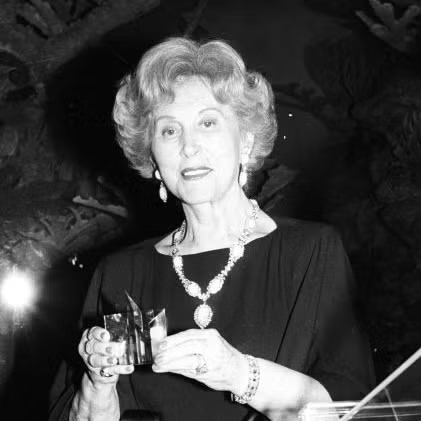
When people search for the Estée Lauder businesswoman, they’re usually trying to understand more than just a famous name on a lipstick tube. They want the story of how a single woman transformed personal passion into one of the most influential beauty companies in the world. Estée Lauder wasn’t just the face of a brand—she was a relentless entrepreneur who reshaped how cosmetics were marketed, sold, and trusted by women globally.
The Estée Lauder businesswoman story begins long before glossy counters and celebrity ambassadors. Born Josephine Esther Mentzer in Queens, New York, she grew up in a modest immigrant family. What set her apart early wasn’t wealth or connections, but obsession—an intense curiosity about skincare. Watching her uncle, a chemist, mix creams in the kitchen sparked a lifelong fascination. That curiosity would eventually fuel a company that now sits at the top of the global beauty industry through The Estée Lauder Companies.
From Kitchen Jars to Counter Domination
The early career of the Estée Lauder businesswoman is a case study in hustle. In the 1940s, Estée didn’t wait for department stores to call her. She walked into salons, demonstrated products herself, and insisted women try before they buy. At a time when cosmetics were often hidden behind counters, this was radical.
Her most famous innovation—the free sample—changed retail forever. Today, sampling is standard practice across industries, but it was Estée Lauder who understood the psychology behind it: once people experience quality, selling becomes easier. If you’re considering this, here’s what you should know… most modern beauty marketing still borrows directly from her playbook.
According to the official history on Estee Lauder’s corporate site, Estée co-founded the company in 1946 with her husband Joseph Lauder, launching with just four skincare products. Those products didn’t rely on flashy claims; they relied on results and personal trust.
Building a Brand on Personal Presence
What truly defines the Estée Lauder businesswoman is how personally involved she remained. For decades, Estée herself trained sales staff, corrected counter displays, and even rearranged lighting to flatter customers’ faces. She believed beauty was emotional, not transactional.
This reminds me of when I tried building a small side brand years ago—no budget, no team—just showing up everywhere myself. The difference? Estée scaled that energy globally.
Her philosophy was simple but powerful:
-
Treat every customer like a long-term relationship
-
Never compromise on product quality
-
Control brand image obsessively
That mindset helped Estée Lauder expand internationally at a time when many American brands struggled abroad. She personally entered European markets, adapting messaging while maintaining brand identity.
The Businesswoman Behind the Empire
Talking about the Estée Lauder businesswoman also means understanding her role as a corporate strategist. She wasn’t a chemist by training, yet she understood product differentiation better than most executives today. Under her guidance, the company didn’t just sell creams—it sold aspiration.
Over time, the company expanded into fragrances, makeup, and luxury skincare. Today, The Estée Lauder Companies owns and operates brands like MAC, Clinique, La Mer, and Jo Malone. Business publications like Forbes have repeatedly highlighted the company as one of the most powerful players in global beauty, with multi-billion-dollar annual revenues.
While Estée Lauder herself passed away in 2004, her influence remains deeply embedded in corporate culture. Her emphasis on prestige positioning—pricing products slightly higher to signal quality—was a deliberate strategy. Game changer.
Leadership Style That Still Resonates
Unlike many founders, the Estée Lauder businesswoman didn’t fade into the background once success arrived. She remained vocal, demanding, and deeply hands-on well into her later years. Employees often described her as exacting but inspirational.
Her leadership style wouldn’t fit neatly into modern HR manuals. She expected excellence and rewarded loyalty. Yet many executives trained under her went on to become industry leaders themselves. Harvard Business School has even referenced her strategies in discussions about brand-led growth and consumer trust.
A profile on Harvard Business Review explores how Estée’s intuition-driven leadership defied traditional management theory, yet consistently delivered results. She trusted instinct, but backed it up with relentless observation of customers.
Public Presence and Cultural Impact
The Estée Lauder businesswoman also understood the power of visibility. Long before “personal branding” became a buzzword, Estée embodied her company. Elegant, confident, impeccably groomed—she was living proof of her products’ promise.
She famously said, “Telephone, telegraph, tell-a-woman.” That belief in word-of-mouth marketing drove organic growth long before social media influencers existed. Today’s beauty creators on platforms like Instagram and TikTok are, in many ways, extensions of her original philosophy.
Financially, Estée Lauder became one of the wealthiest self-made women of her time. Her net worth was widely documented in business media before her death, and her family remains among the richest in the cosmetics industry, as reported by outlets like Bloomberg.
Why Her Story Still Matters in 2026
As I’m writing this in January 2026, the beauty industry is more crowded than ever—AI-formulated skincare, celebrity brands launching monthly, sustainability debates dominating headlines. And yet, the foundational lessons from the Estée Lauder businesswoman remain shockingly relevant.
She proved that:
-
Brand trust outlives trends
-
Personal conviction can outperform formal training
-
Customer experience is the real product
Many modern founders chase speed and scale. Estée chased connection. That difference explains why her brand didn’t just survive—it institutionalized itself.
A Personal Reflection
Researching the Estée Lauder businesswoman left me unexpectedly reflective. Not because the story is glamorous—though it is—but because it’s deeply human. Persistence, insecurity, ambition, intuition. All of it. She didn’t invent beauty; she understood women at a time when few executives bothered to listen.
What stuck with me most wasn’t the empire, the money, or the legacy brands. It was her refusal to delegate belief. She believed in her products so fiercely that everyone else eventually did too. That kind of confidence can’t be outsourced, automated, or optimized away.
And honestly… that’s rare.


Leave a Reply