
Have you ever seen a cool, one-of-a-kind t-shirt online and wondered, “How does someone even start selling something like that?” You’re not a big company with a factory. You probably don’t have a garage full of shirts and a shipping station.
That’s where the magic of print-on-demand comes in, and a platform called Printify is a major player in that space. Let’s pull back the curtain and look at what it actually is, how it works in the real world, and what it really means for you as a potential seller. No fluff, just the facts.
First, Let’s Break Down The Big Idea: Print-on-Demand
Imagine you’re an artist. You draw an amazing llama wearing sunglasses. Instead of buying 100 llama t-shirts you have to store and hope to sell, you just put a picture of that t-shirt on your website.
When I, a customer, buy it, an order pings to a special printer. They take a blank shirt, print your llama design on it right then, pack it up, and mail it to me. I get a unique shirt, you get a profit, and you never had to touch the shirt or risk money on unsold stock.
That’s print-on-demand in a nutshell. Printify is one of the services that makes this connection happen.
So, What Exactly Is Printify?
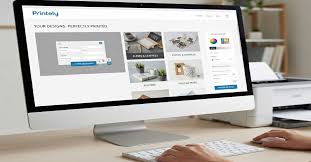
Think of Printify less as a “printer” and more as a giant matchmaking service. Their main job is to connect you (the creative seller) with a whole network of professional printing companies (called “print providers”) all over the world.
Here’s the step-by-step play-by-play:
-
You Design: You upload your llama art to Printify’s website.
-
You Pick a Product: You browse their catalog—not just tees, but mugs, tote bags, posters, hoodies—and place your design on it using their digital mockup tool.
-
You Connect Your Store: You link your Etsy, Shopify, or other online store to your Printify account.
-
A Customer Buys: Someone loves your llama and clicks “buy” on your store.
-
Printify Gets the Order: The order details automatically flow from your store to Printify.
-
The Print Provider Makes It: Printify sends the order to the printing company you’ve chosen (say, a provider in Texas or Poland). That company prints, packs, and ships it.
-
You Get Paid: The customer paid you $25. You pay the printer (through Printify) their $15 fee. The remaining $10 is your profit.
The key thing to remember: Printify doesn’t own the printers. They are the platform in the middle managing the connections and orders. This is their biggest strength and their most important nuance.
What Can You Actually Make with Printify?
The catalog is vast and always changing, but as of now, it includes:
-
Apparel: T-shirts, hoodies, leggings, swimwear, baby clothes.
-
Home Goods: Mugs, posters, blankets, towels, pillows.
-
Accessories: Tote bags, hats, phone cases, socks.
-
And More: Stickers, wall art, aprons—you get the idea.
The Real Talk: What Are the Genuine Perks?
Let’s be clear about why people use services like this:
-
The Risk is Crazy Low: This is the #1 benefit. You don’t buy stock until a sale is made. This lets you test 10 crazy ideas without going bankrupt.
-
It’s Hands-Off Logistics: No dealing with ink, printers, packing tape, or post office queues. You can run this from a laptop.
-
Easy to Grow: If you suddenly sell 100 shirts, the system scales up without you needing to hire help or work 48-hour days.
-
Go Global Easily: With printers in the US, UK, EU, and Australia, you can offer reasonable shipping to international customers without having a warehouse there.
The Important “Gotta Know” Challenges
An honest guide has to talk about the flip side. Here’s what you must be aware of:
-
You Can’t Control Everything: Since you’re relying on a third-party printer (and not even directly—you’re going through Printify), mistakes can happen. A print might be off-center, or a shipment delayed. You bear the responsibility with your customer, even though it wasn’t your fault. As industry experts at Shopify’s blog note, vetting your suppliers is critical in any dropshipping model.
-
Profit Margins Are Tighter: That $10 profit per shirt? After ads, website fees, and your time, it’s smaller. You can’t compete on price with Walmart. You compete on unique design and brand.
-
Quality Varies: Not all print providers are equal. The feel of a shirt from one company can be very different from another. This is why the #1 rule is: ORDER SAMPLES FIRST. Always.
-
Customer Service is on You: If there’s a problem, your buyer contacts you. You then have to work with Printify’s support, who then contacts the printer. It can be a slow process.
Who Is This Actually a Good Fit For?
Printify isn’t for everyone, but it’s a fantastic tool for specific situations:
-
The Experimenter: You want to try out a niche (e.g., cat-lover gardening quotes) without commitment.
-
The Creative: An artist, designer, or illustrator who wants to focus on creating, not on logistics.
-
The Side-Hustler: Someone building a business slowly while keeping their day job.
-
The Store Expander: An existing business owner who wants to add mugs or hats to their lineup without a new supplier headache.
Your First Steps: A Smart, No-Stress Plan
If you’re thinking about it, do this in order:
-
Start with Your Idea: Nail down your niche. “Funny quotes” is broad. “Funny quotes for plant parents” is a niche.
-
Open a Free Account: Printify’s free plan is robust. Start there.
-
Play with the Mockup Generator: See your designs on products.
-
Research Print Providers: Don’t just pick the cheapest. Click on each provider on Printify. Look at their production times, ratings, and item catalog. Resources like the U.S. Small Business Administration’s guide on starting a business emphasize the importance of supply chain research.
-
ORDER A SAMPLE. I’ll say it again. Spend the money to see and feel the product your customer will get. It’s your most important business expense.
-
Start Small: Connect to one sales channel (like an Etsy shop) and list 5-10 of your best designs. See what happens. Learn. Adjust.
The Bottom Line: It’s a Tool, Not a Treasure Chest
Printify is an incredibly powerful tool that removes the massive hurdles of manufacturing and inventory. It democratizes selling physical products.
But the tool doesn’t build the business—you do. The success comes from your unique designs, your understanding of your audience, your marketing, and your dedication to customer service. It handles the technical part of “print and ship,” but you have to handle the heart and soul.
It opens a door. What you build in the room on the other side is entirely up to you. Start with a good idea, do your homework, and manage your expectations. The rest is a fascinating journey of learning by doing.



Leave a Reply