
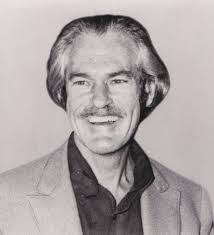
Hey there, curious reader. If you’ve typed “timothy o’leary” into a search bar wondering who this guy was and why his name still pops up in conversations about the 1960s, mind expansion, and even today’s wellness trends, you’re in for a treat. We’re going to walk through his story together like old friends chatting over coffee—easy, honest, and full of those “wait, really?” moments. Timothy O’Leary wasn’t just some wild-eyed rebel; he started as a serious scientist who ended up challenging how we think about consciousness itself. His journey mixes real breakthroughs, big mistakes, legal drama, and ideas that still feel fresh decades later. Let’s dive in and see what we can learn.
Who Was Timothy O’Leary, Anyway? A Quick Snapshot
Timothy O’Leary (most often remembered as Timothy Leary) lived from 1920 to 1996. He was a psychologist, writer, and activist who became one of the loudest voices for psychedelic drugs during the counterculture era. You know those famous lines like “turn on, tune in, drop out”? That was him. But before all that, he was building a respectable career studying personality and human behavior. What makes his story so engaging is how one mushroom trip flipped the script. Suddenly, this Harvard lecturer was preaching that substances like LSD could unlock new levels of awareness. Was he a hero of free thinking or someone who pushed too far? We’ll explore both sides so you can decide for yourself.
Timothy O’Leary’s influence didn’t stop when the 1960s ended. Even now, in 2026, people revisit his work as scientists run careful clinical trials on psychedelics for depression and PTSD. His life reminds us that questioning the status quo can spark real change—though it often comes with consequences.
Growing Up and Finding His Calling
Picture a kid in Springfield, Massachusetts, back in the 1920s and ’30s. Timothy O’Leary was that only child in a tight-knit Irish Catholic home. Life wasn’t always smooth—his father left the family when he was 14, forcing some quick growing up. He sailed through high school, tried a Jesuit college, and even spent a short, rocky stint at West Point before heading to the University of Alabama. There, psychology clicked. After Army service in World War II (where he worked as a psych technician), he earned a master’s and then a PhD from UC Berkeley.
His early research focused on how people relate to each other in groups. He wrote a book called The Interpersonal Diagnosis of Personality in 1957 that pros still respect today for its smart take on therapy. It wasn’t flashy, but it showed Timothy O’Leary had real academic chops. You can almost feel the curiosity building in him during those years—like he was laying the groundwork for bigger questions about the mind.
The Big Shift: Mushrooms and the Harvard Experiments
Fast-forward to 1960. Timothy O’Leary was lecturing at Harvard when he tried psilocybin mushrooms on a trip to Mexico. He described it as a total game-changer: “I learned more about my brain and psychology in five hours than in the preceding 15 years.” That experience lit a fire. Back on campus, he started the Harvard Psilocybin Project with colleague Richard Alpert (who later became Ram Dass). They gave the substance to prisoners, theology students, and others to see if it could spark personal growth or reduce recidivism.
One famous test, the Concord Prison Experiment, claimed huge drops in re-arrest rates. Another, the Marsh Chapel Experiment, explored mystical experiences during a Good Friday service. Results were mixed—some participants reported life-changing insights, but critics pointed out flaws like small sample sizes and Leary’s own enthusiasm biasing the outcomes. Still, these tests put Timothy O’Leary on the map. They showed us early on that “set and setting” (your mindset and environment) really matters for any mind-altering experience.
Life at Millbrook and Becoming a Counterculture Star
After Harvard let him go in 1963 over the drug work, Timothy O’Leary didn’t slow down. He moved to a grand estate in Millbrook, New York, funded by wealthy supporters. There, with friends and the Castalia Foundation, he hosted gatherings that blended meditation, art, and LSD sessions. It was like a living laboratory for consciousness. In 1964, he co-wrote The Psychedelic Experience, a guide based on the Tibetan Book of the Dead that walked readers through navigating altered states.
This was when Timothy O’Leary really leaned into his role as a public figure. He testified before Congress against banning LSD outright, arguing adults should have safe, guided access for spiritual reasons. His mantra “turn on, tune in, drop out” became a rallying cry at events like the 1967 Human Be-In. It wasn’t about dropping out of life—it meant tuning into your inner world and stepping away from society’s rat race. Humor often snuck in: Leary had a knack for witty comebacks that made even skeptics smile.
| Key Milestones in Timothy O’Leary’s Life | Year | What Happened |
|---|---|---|
| Birth and early education | 1920–1940s | Grew up in Massachusetts; served in WWII; earned psychology degrees |
| Harvard Psilocybin Project launch | 1960–1963 | Conducted experiments with mushrooms and LSD |
| Fired from Harvard; moves to Millbrook | 1963 | Shifts full-time to psychedelic advocacy |
| “Turn on, tune in, drop out” coined | 1967 | Becomes counterculture slogan at Human Be-In |
| First major arrest and escape | 1965–1970 | Multiple drug busts; dramatic prison breakout with help from radicals |
| Release from prison | 1976 | Returns to public life and lecturing |
| Prostate cancer diagnosis and death | 1995–1996 | Practices “designer dying”; ashes sent to space |
This table gives you a quick timeline so you can see how his path unfolded step by step.
Legal Battles, Prison, and Later Years
Timothy O’Leary’s outspoken style came at a cost. He faced 36 arrests, including big marijuana cases that led to prison time. In 1970 he escaped from a California lockup (with help from the Weather Underground) and lived on the run in Algeria, Switzerland, and Afghanistan before being caught again. He even cooperated with authorities later to shorten his sentence—a move that upset some old friends.
Released in 1976, he kept writing and lecturing. Books like Exo-Psychology (1977) explored ideas about human evolution, space travel, and using technology to boost intelligence. He loved computers, calling the PC “the LSD of the 1990s.” In his final years, diagnosed with prostate cancer in 1995, he approached death playfully, documenting it online and famously saying “Why not?” as his last words. His ashes even went into space in 1997 alongside Star Trek creator Gene Roddenberry’s.
Critics argued he glamorized drugs without enough safeguards, and some early studies didn’t hold up under stricter review. Supporters, including poets like Allen Ginsberg, saw him as a brave explorer who opened doors to new ways of understanding the self. Either way, his story shows how one person’s curiosity can ripple out for generations.
Why Timothy O’Leary Still Matters Today
Jump ahead to 2026, and you’ll see echoes of Timothy O’Leary everywhere. Psychedelic therapy is having a renaissance, with FDA trials exploring MDMA and psilocybin for trauma and depression. His emphasis on safe, intentional use feels more relevant than ever. He also championed space migration and life extension—ideas that align with today’s tech optimists.
If you’re exploring timothy o’leary for the first time, check out his core message: think for yourself, question authority, and stay open to growth. It’s not about copying the 1960s exactly—it’s about applying that spirit to your own life.
For deeper reading, visit the Wikipedia entry on Timothy Leary for a full timeline or dive into his classic The Psychedelic Experience (available through many libraries). Another solid resource is the Harvard Psychology Department archives, which reflect on his time there: Harvard’s take on Leary.
Wrapping It Up: What Can We Take Away?
Timothy O’Leary’s life wasn’t perfect—it had highs, lows, and plenty of controversy. Yet it leaves us with a simple invitation: stay curious about your own mind and the world around you. Whether you agree with his methods or not, he reminded us that real change often starts by daring to see things differently. Next time you hear his name (or type “timothy o’leary” into a search), remember the man who turned personal exploration into a cultural movement. What part of his story resonates with you? That’s the real takeaway—your own journey of discovery.

Leave a Reply